
Energy Meter Reading Urged Amid Rising Household Costs
Households advised to read energy meters as prices surge 13% annually following Ofgem's latest price cap implementation. Stay informed on your consumption.
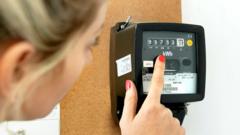
Energy Meter Reading Urged as Household Energy Prices Climb Significantly
A critical appeal has been made to residential consumers to actively monitor their energy meter reading practices as household energy prices continue their upward trajectory. The latest regulatory changes from Ofgem have triggered substantial increases in what families across the nation will pay for their utilities, making vigilant consumption tracking more important than ever.
Understanding the Latest Price Cap Implementation
Ofgem's newest energy meter reading framework has corresponded with a marked rise in household energy prices, now climbing at approximately 13% annually. This significant increase reflects broader market pressures and regulatory adjustments designed to balance consumer protection with market realities. The price cap system established by the regulator aims to provide transparency, yet households must take proactive steps to understand their actual consumption patterns.
Why Monitoring Your Meter Matters
Regular energy meter reading examination serves multiple critical functions for modern households. By consistently checking consumption data, residents can identify unusual spikes, detect potential equipment malfunctions, and most importantly, verify billing accuracy. With household energy prices reaching new heights, accurate meter readings prevent overpayment and ensure customers only pay for power genuinely consumed. This practice becomes essential when price caps shift and tariffs adjust.
The Impact of Rising Energy Costs on Families
The 13% annual increase in household energy prices represents a substantial financial burden for many families. This escalation means higher monthly bills during peak consumption seasons and reduced budgets for other essential needs. Understanding your energy meter reading allows households to implement targeted conservation strategies, potentially offsetting some price increases through reduced consumption and improved efficiency practices.
Practical Tips for Effective Meter Monitoring
Households should establish a routine schedule for checking their energy meter reading, ideally weekly or monthly. Recording these readings helps establish consumption baselines and reveals seasonal patterns. Modern smart meters provide digital access to this information, enabling real-time monitoring through dedicated applications. When comparing current readings against previous periods, households can quickly identify whether their usage aligns with expectations or suggests underlying issues requiring investigation.
How Ofgem's Price Cap Affects Your Bills
The regulator's price cap mechanism directly influences what consumers pay per kilowatt-hour. With each adjustment, the financial implications ripple through millions of households simultaneously. Understanding the relationship between your energy meter reading consumption and the current price cap rates empowers consumers to make informed decisions about energy usage. This knowledge becomes particularly valuable during periods when household energy prices experience rapid fluctuations due to market conditions.
Steps to Take Today
Households should immediately take several actionable steps. First, locate your meter and ensure you can comfortably read the display. Second, establish a baseline reading and document it clearly. Third, cross-reference your meter readings against billing statements to confirm accuracy. Finally, consider conducting a home energy audit to identify inefficiencies that might be driving unnecessary consumption during this period of elevated household energy prices.
Looking Forward
As energy markets continue evolving and regulatory frameworks adapt, individual households maintain significant agency through diligent monitoring. Regular energy meter reading checks represent a simple yet powerful tool for managing the financial impact of rising costs. By taking control of their consumption data, families can transition from passive bill-payers to active energy managers, potentially reclaiming some economic ground lost to the 13% price increases now affecting millions of residences nationwide.