
West Midlands Fires Spark Massive Emergency Response
Multiple fires devastated West Midlands homes in one of the region's most significant incidents, with thousands of emergency calls recorded.
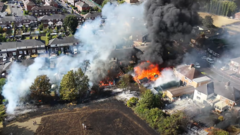
West Midlands Fires Trigger Historic Emergency Operations
The West Midlands fires have become one of the most critical incidents in the region's emergency services history, with authorities responding to an unprecedented wave of simultaneous blazes that destroyed multiple residential properties. Fire department officials confirmed that emergency responders managed thousands of incoming 999 calls during the catastrophic event, highlighting the scale and complexity of the crisis.
Scale of the Emergency Response
Regional fire officials characterized the incident as among the most significant challenges faced by the service in recent memory. The volume of emergency calls received throughout the duration of the West Midlands fires demonstrates the widespread impact across affected communities. Dispatchers and response teams worked continuously to coordinate resources and guide residents to safety during the chaotic period.
Unprecedented Call Volume
Thousands of distress calls flooded emergency lines as residents reported active fires across multiple locations simultaneously. This surge in communications overwhelmed standard call-handling capacity, forcing the fire service to activate enhanced protocols and additional personnel. The coordination required to manage such volume represented a logistical challenge of extraordinary proportions for the West Midlands fires response operation.
Residential Impact and Property Destruction
Numerous homes across the West Midlands were consumed or severely damaged by the advancing flames. Families lost residences, possessions, and were forced to evacuate with limited time to gather belongings. The destruction extended across multiple neighborhoods, affecting diverse residential areas and leaving communities traumatized by the rapid spread of fires in their vicinity.
Community Displacement
Displaced residents required immediate shelter and support services following the West Midlands fires. Emergency response coordinators established temporary accommodation facilities while relief organizations mobilized resources to assist affected families. The emotional and practical challenges faced by those who lost homes extended beyond initial evacuation, requiring sustained support throughout recovery phases.
Fire Service Assessment and Response Capability
The fire chief's statement regarding the West Midlands fires underscores the event's severity and the service's mobilization efforts. Despite the overwhelming circumstances, emergency personnel demonstrated coordinated response tactics, deploying firefighters across all available units to contain spread and rescue trapped residents. The incident highlighted both the capabilities and limitations of existing emergency infrastructure.
Resource Allocation Strategy
During the West Midlands fires crisis, the service implemented strategic resource distribution, prioritizing life safety while managing limited personnel and equipment. Decision-making protocols that typically govern single incident responses required modification to address the multi-location emergency simultaneously affecting the region.
Long-term Recovery and Investigations
Following containment of the West Midlands fires, investigation teams began examining causes and reviewing response effectiveness. Fire safety officials conducted preliminary assessments of affected properties to identify fire origin points and contributing factors. This investigative process will inform future prevention strategies and emergency preparedness improvements.
Community Support Infrastructure
Local authorities and charitable organizations expanded support services for affected residents throughout the aftermath of the West Midlands fires. Counseling services, housing assistance, and financial aid programs were activated to help families rebuild their lives. The recovery period extends considerably beyond initial containment, requiring sustained community engagement and resource commitment.
Lessons for Emergency Services
The West Midlands fires incident provided critical insights into emergency response capabilities under extreme stress conditions. Review committees examined communication protocols, resource deployment strategies, and inter-agency coordination effectiveness. These findings will shape revised emergency planning procedures and training standards for personnel across the service going forward.