
19 Homes Destroyed as Fires Trigger National Alert
A national alert has been issued as 37 active fires rage across England and Wales, destroying 19 homes. Emergency services respond to the escalating crisis.
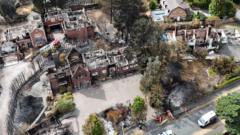
National Alert Issued Over Widespread Fire Crisis
A national alert fires situation has escalated significantly as emergency services battle multiple blazes across England and Wales. The prime minister confirmed that 37 fires are currently burning in active zones throughout both regions, with the situation demanding immediate coordinated intervention from all available fire and rescue teams.
The scale of the national alert fires emergency has prompted government officials to declare a state of heightened preparedness. Authorities are mobilizing additional resources to contain the spreading incidents and protect remaining residential areas from the encroaching danger. The destruction already caused by these fires has left families displaced and communities traumatized by the sudden loss of their homes.
Property Damage and Destruction Statistics
Initial reports indicate that 19 homes have been completely destroyed by the fires sweeping through affected regions. This represents a catastrophic loss for the families who lived in these properties, many of whom have lost not only their residences but also their personal belongings and irreplaceable memories. The financial impact of the destroyed homes extends beyond the individual families to affect local economies and insurance markets.
Structural damage assessments are ongoing in areas surrounding the destroyed homes, as experts work to determine the full extent of the devastation. Secondary damage from smoke, heat, and water used to fight the fires has also affected numerous additional properties, compounding the overall impact of this national alert fires crisis on communities throughout the affected zones.
Emergency Services Response and Coordination
Fire and rescue services from multiple jurisdictions have been deployed to combat the 37 active incidents simultaneously. The coordination between different regional teams represents an unprecedented mobilization of firefighting resources. Firefighters are working around the clock in dangerous conditions, facing challenging terrain and unpredictable fire behavior that continues to threaten additional properties and nearby communities.
The scale of the national alert fires situation has required emergency planners to implement mutual aid agreements, bringing in specialized equipment and personnel from neighboring regions. Helicopter support, water-dropping capabilities, and ground crews have all been activated to tackle the most dangerous and rapidly spreading blazes. Incident commanders report that weather conditions have significantly impacted firefighting efforts, making some fires particularly difficult to contain.
Impact on Communities and Residents
Thousands of residents have been affected by evacuation orders as the fires spread unpredictably across the landscape. Evacuation centers have been established to provide temporary shelter, medical assistance, and essential supplies to displaced families. Community leaders are working with government agencies to provide psychological support and practical assistance to those who have lost their homes in the fires.
The national alert fires emergency has also disrupted transportation networks, with several major roads and railway lines closed as a precautionary measure. Schools and public facilities in nearby areas have suspended operations, and businesses have been forced to close temporarily due to safety concerns and poor air quality resulting from extensive smoke from the 37 active fires burning across the regions.
Government Response and Future Measures
The prime minister's statement acknowledging the severity of the national alert fires situation underscores the government's commitment to supporting affected communities. Official statements indicate that additional funding will be made available for emergency response operations and subsequent recovery efforts. Discussions are already underway regarding rebuilding programs and long-term support for families who have lost their homes.
Investigators will examine the origins of the fires once they are contained and conditions permit thorough examination of the affected areas. Understanding how these 37 concurrent fires began may provide valuable insights for future prevention strategies. The national alert fires crisis has prompted renewed discussions about increasing funding for fire prevention programs and enhancing early warning systems in vulnerable areas.
As this situation continues to develop, coordination between local, regional, and national authorities remains critical. The destruction of 19 homes serves as a stark reminder of the devastating potential of uncontrolled fires, particularly during conditions that favor rapid spread and intense burning. Communities are urged to remain vigilant, follow evacuation orders promptly, and cooperate fully with emergency services working tirelessly to protect lives and property across England and Wales during this unprecedented national alert fires emergency.