
Badenoch Condemns Starmer's Defence Budget Gap
Kemi Badenoch attacks PM over alleged £5bn shortfall in defence spending commitments, claiming financial mismanagement in UK military investments.
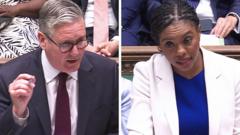
Badenoch Challenges Government's Defence Spending Commitment
Conservative Party leader Kemi Badenoch has launched a scathing criticism of the government's defence spending shortfall, accusing Prime Minister Keir Starmer of failing to meet crucial military investment commitments. The opposition leader has highlighted what she describes as a significant £5bn gap in the defence investment plan, raising serious concerns about the nation's preparedness and security infrastructure.
The £5bn Defence Spending Gap
At the centre of Badenoch's complaint lies an alleged £5bn discrepancy in defence spending allocations. This defence spending shortfall represents a substantial gap between promised and actual military funding, according to the Conservative leader's assessment. The funding gap has become a focal point for opposition criticism of the government's fiscal management and defence policy priorities.
Badenoch contends that the shortfall undermines the government's stated commitment to strengthening Britain's military capabilities. She argues that such a significant defence spending gap cannot be overlooked, particularly given the complex global security environment and emerging threats facing the United Kingdom. The Conservative criticism focuses on what is described as inadequate financial planning and resource allocation within the defence sector.
Government's Defence Budget Under Scrutiny
The Starmer defence budget has become increasingly contentious as opposition figures scrutinise allocation decisions. Kemi Badenoch's remarks suggest growing tension over how the government prioritises defence investment compared with other spending commitments. The Conservative party has positioned itself as a defender of military spending, contrasting their approach with what they characterise as insufficient government support.
This latest challenge to the government's defence budget strategy reflects broader debates about national security funding. The UK military investment landscape remains complex, with competing demands for resources across multiple service branches and equipment modernisation programmes.
Conservative Response to Defence Planning
The Conservative opposition has consistently argued that adequate defence spending is non-negotiable for a modern, secure nation. Badenoch's intervention represents the party's determination to hold the government accountable for its defence commitments. The criticism of the alleged £5bn shortfall forms part of a larger narrative questioning the government's overall financial management.
Opposition figures argue that UK military investment must be treated as a priority, particularly given international geopolitical tensions. The supposed gap in funding raises questions about equipment procurement, personnel retention, and operational readiness across the armed forces.
Implications for National Security
The defence spending debate carries significant implications for Britain's military capabilities and strategic positioning. Badenoch's criticism suggests that the alleged shortfall could impact various aspects of military operations, from technological advancement to troop morale and retention. The unresolved defence spending question remains a potential flashpoint in parliamentary scrutiny and public debate about government priorities.
As the government faces continued pressure over its defence budget allocation, further clarification regarding the alleged £5bn gap may be forthcoming. The controversy underscores the importance of transparent defence spending planning and the ongoing tension between competing budgetary demands across government departments.