
Arday's Death: Shockwaves Through Divided Academia
Arday's unexpected passing sends shockwaves through academia. With less than 1% of UK professors being Black, his loss impacts a highly visible minority in higher education.
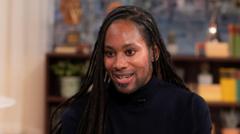
Understanding the Impact of Arday's Passing on Academic Institutions
The recent death of a prominent scholar has created significant ripples throughout academic circles, particularly within communities where representation remains critically limited. Arday's death has sparked important conversations about systemic challenges within higher education institutions, especially regarding racial diversity and inclusion at the professoriate level.
The Stark Reality of Black Representation in UK Universities
Current statistics paint a sobering picture of racial demographics across British academic institutions. Less than one percent of professors holding positions at UK universities identify as Black, making Arday's death particularly significant within this context. This remarkably low figure underscores the substantial barriers that Black scholars face when pursuing academic careers and advancing to senior leadership positions within higher education.
The limited presence of Black academics at professorial levels reflects decades of systemic underrepresentation in universities. When Arday joined the academic ranks as a Black professor, he became part of an exceptionally exclusive and inherently visible community. This visibility, while potentially offering opportunities for mentorship and advocacy, also placed considerable pressure on individuals navigating predominantly white institutional structures.
Visibility and Representation in Academia
Being one of the few Black professors at UK universities inevitably carries distinctive challenges and responsibilities. Such visibility often means these scholars become focal points for discussions around diversity, equity, and inclusion—burdens that their white counterparts rarely experience. Arday's presence in academia symbolized both progress and the tremendous distance remaining to achieve genuine representation in higher education.
The small number of Black academics means each individual loss reverberates more profoundly through their networks and institutions. These professors frequently serve as mentors, role models, and advocates for emerging Black scholars, making their contributions to academia extend far beyond their immediate research output and teaching responsibilities.
Implications for Academic Communities Moving Forward
Arday's death underscores the urgent need for transformative changes within academic institutions. The persistent underrepresentation of Black professors cannot be addressed through superficial diversity initiatives alone. Universities must examine recruitment practices, promotion pathways, workplace cultures, and support systems that either facilitate or hinder the advancement of Black scholars.
The loss serves as a catalyst for critical examination of how academic institutions support their most underrepresented faculty members. When Black academics remain so scarce within professorial ranks, each departure represents not merely a personnel change but a reduction in institutional knowledge, mentoring capacity, and diverse perspectives essential for thriving academic environments.
Moving Toward Sustainable Change
Addressing the crisis of underrepresentation requires commitment beyond rhetoric. Universities must implement structural reforms that create genuinely inclusive pathways from undergraduate through doctoral training and into faculty positions. This includes addressing hostile workplace environments, ensuring equitable evaluation processes, and providing adequate support and resources for Black academics.
Arday's death has sent shockwaves precisely because it highlights how precarious the position of Black academics remains within UK universities. True progress toward diversity and inclusion in academia demands sustained institutional commitment, resource allocation, and a willingness to challenge entrenched practices that perpetuate exclusion.