
Typhoon Bavi Threatens Taiwan and China as Philippine Landslides Claim 15 Lives
Typhoon Bavi approaches Taiwan and southeast China, expected to be one of the decade's strongest storms. Deadly landslides in the Philippines kill 15 people.
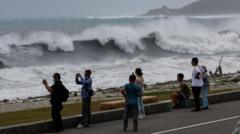
Typhoon Bavi Advances Toward Taiwan and Southeastern China
A massive and potentially devastating Typhoon Bavi continues its trajectory across East Asia, with meteorological agencies issuing urgent warnings for Taiwan and southeastern China. The Typhoon Bavi system, spanning approximately 1,000 kilometers in width, is anticipated to rank among the most powerful and destructive storms recorded within the current decade. Regional authorities have mobilized emergency response teams and evacuation procedures as the system approaches densely populated coastal regions.
Destructive Impact Across the Philippines
The Philippines has already experienced severe consequences from the advancing weather system, with devastating landslides claiming the lives of 15 individuals. The mountainous terrain of the archipelago has proven particularly vulnerable to the torrential rainfall and unstable soil conditions triggered by Typhoon Bavi's outer bands. Local rescue teams continue search and recovery operations in affected communities, with reports indicating additional missing persons in multiple provinces.
Landslide Casualties and Infrastructure Damage
The fatalities resulting from landslides underscore the grave dangers posed by Typhoon Bavi as it progresses westward across the region. Preliminary assessments indicate extensive damage to residential areas, agricultural lands, and transportation networks throughout vulnerable areas of the Philippines. Provincial governments have declared states of calamity in affected zones, enabling rapid deployment of disaster response resources and humanitarian assistance to displaced families.
Taiwan Prepares for Extreme Weather Conditions
Taiwan's meteorological agency has issued elevated weather warnings as Typhoon Bavi approaches the island nation. Residents are being advised to secure loose outdoor objects, stock essential supplies, and prepare emergency shelter options. The forecast indicates sustained strong winds, heavy precipitation, and potential storm surge conditions along Taiwan's coastal communities. Public institutions and private sector organizations have implemented contingency protocols to minimize disruption and ensure public safety during the storm's passage.
Typhoon Bavi Strength Projections
Meteorological models consistently depict Typhoon Bavi as an exceptionally powerful system that could rival or exceed the intensity of major cyclonic events from previous decades. The atmospheric conditions currently favoring the system's development—including warm ocean water temperatures and minimal wind shear—suggest that intensification may continue before landfall occurs. Weather experts recommend that residents remain vigilant and follow all official guidance from national and regional emergency management authorities.
Southern China's Preparedness Measures
Southeastern China, particularly provinces positioned in the storm's projected path, has activated comprehensive disaster preparedness initiatives. Local authorities have reinforced coastal defenses, suspended ferry services, and advised fishing vessels to return to port immediately. Manufacturing facilities and industrial operations in vulnerable zones have implemented temporary closures to protect workers and infrastructure. The Chinese meteorological administration continues to monitor Typhoon Bavi's track and intensity with advanced satellite technology and predictive modeling systems.
Regional Coordination and Emergency Response
Multi-national coordination efforts are underway as affected East Asian countries share real-time meteorological data and emergency response strategies. International disaster relief organizations have pre-positioned resources and personnel in anticipation of humanitarian needs following Typhoon Bavi's passage. Regional governments emphasize the importance of community preparedness, evacuation compliance, and adherence to official safety recommendations during this critical period.
Public Safety Recommendations and Precautions
Residents throughout Typhoon Bavi's projected impact zone are strongly encouraged to take protective measures immediately. Recommendations include securing windows and doors, trimming tree branches overhanging structures, ensuring adequate food and water supplies, and maintaining functional communication devices with fully charged batteries. Vulnerable populations, including elderly residents and those with medical conditions, should relocate to designated shelters or safer locations before weather conditions deteriorate significantly.
The advancing Typhoon Bavi represents a substantial natural disaster threat to multiple nations across East Asia. With the Philippines already suffering significant casualties and property damage, and Taiwan and southeastern China bracing for impact, regional response capabilities will be tested considerably. Continued vigilance, adherence to official instructions, and community preparedness remain essential as this powerful meteorological system progresses across the region during the coming days.