
France Reconsiders Air Conditioning Stance Amid Record Heat Wave
France faces a political divide over air conditioning as the nation experiences unprecedented heat. Discover how climate change is reshaping French policy on cooling systems.
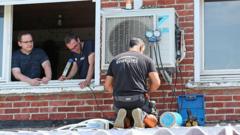
France's Shifting Position on Air Conditioning During Extreme Heat
The persistent heatwaves sweeping across Europe have prompted France to fundamentally reassess its traditional opposition to widespread air conditioning deployment. As the nation recorded its hottest day on record, this climatic emergency has ignited a significant political debate that challenges decades of established energy policies and environmental priorities across the country.
The Historical Context of French Air Conditioning Resistance
For many years, France maintained a cautious stance toward air conditioning installation in residential and commercial buildings. This reserved approach stemmed from multiple interconnected factors, including concerns about energy consumption, environmental sustainability, and the nation's long-standing commitment to nuclear power as a primary energy source. However, the intensifying heat waves have exposed the limitations of this conservative strategy.
French policymakers had previously focused their efforts on alternative cooling mechanisms and urban planning strategies designed to naturally regulate temperatures. The architectural standards and building codes reflected this philosophy, prioritizing passive cooling methods and efficient insulation rather than mechanical air conditioning systems. Nevertheless, the recent surge in record-breaking temperatures has revealed the inadequacy of these traditional approaches in confronting the reality of modern climate conditions.
Political Tensions Surrounding Cooling Solutions
The debate over air conditioning in France has crystallized into a genuine political divide, with different stakeholders advocating for competing priorities. Environmental advocates express concerns that widespread adoption of cooling systems would increase electrical demand and carbon emissions during peak summer periods. Conversely, public health officials and citizens experiencing unbearable indoor temperatures argue that access to adequate cooling has become essential for protecting vulnerable populations from heat-related health emergencies.
This tension reflects a broader ideological split within French society regarding how to balance environmental protection with immediate human welfare concerns. The government faces mounting pressure to develop policies that address both climate mitigation objectives and the pressing need to ensure citizen comfort and safety during increasingly frequent extreme weather events.
Record Heat and Public Health Implications
The exceptional temperature recordings across France have demonstrated the real consequences of inadequate cooling infrastructure. Healthcare professionals have documented rising numbers of heat-related hospitalizations, particularly among elderly citizens and those with existing medical conditions. Workplace productivity has declined significantly during peak heat hours, as individuals without proper cooling struggle to maintain focus and physical well-being.
These public health crises have shifted the political calculus considerably. Municipalities and regional governments are now prioritizing the installation of cooling facilities in public buildings, hospitals, schools, and care facilities. Private citizens have begun investing personally in air conditioning units despite previous cultural hesitations and economic considerations.
Energy Grid Challenges and Sustainability Concerns
French energy experts warn that a rapid expansion of air conditioning usage could strain the national electrical grid during summer months when demand peaks. The nation's energy infrastructure, designed around winter heating demands and steady nuclear power output, may require substantial modernization to accommodate increased summer cooling loads. This infrastructure concern adds complexity to policy discussions about the appropriate role of air conditioning in France's energy future.
Environmental analysts also emphasize that the transition toward widespread cooling should incorporate renewable energy sources and energy-efficient technologies. Heat pump systems and solar-powered cooling solutions represent potential pathways that could satisfy immediate comfort needs while maintaining alignment with long-term sustainability objectives.
Policy Responses and Future Directions
French authorities are currently examining various regulatory frameworks that could govern future air conditioning adoption. These discussions include building codes that mandate high-efficiency cooling systems, incentive programs supporting installation of renewable-powered cooling technologies, and strategic investments in urban green spaces that provide natural temperature moderation.
The government is also considering gradual implementation strategies that would phase in expanded cooling capacity while simultaneously upgrading electrical infrastructure and promoting energy conservation measures. Regional governments possess considerable flexibility in adapting national guidelines to local climate conditions and specific demographic needs.
Conclusion: Adapting to Climate Realities
France's reconsideration of air conditioning policies reflects a broader European adaptation to changing climate realities. The tension between environmental objectives and immediate welfare needs requires thoughtful policy solutions that acknowledge both imperatives. As record temperatures become increasingly frequent occurrences, the nation must balance its environmental commitments with the practical necessity of protecting citizens from dangerous heat exposure, ultimately reshaping how air conditioning factors into France's long-term energy and climate strategies.