
Trump's Defense Demands Test NATO's Push to Strengthen European Arsenal
Trump's controversial stance reshapes NATO's military strategy as Europe faces pressure to increase defense spending and expand weapons production capacity.
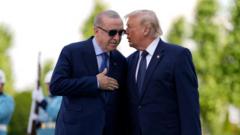
NATO Confronts Trump's Challenge as European Defense Needs Mount
The alliance finds itself navigating treacherous diplomatic waters as Trump's defense demands reshape NATO's military modernization trajectory across the continent. The US president's contentious remarks have created significant tension at this pivotal gathering, where European nations grapple with accelerating their weaponry capabilities and increasing military expenditures.
Trump's involvement has cast a shadow over what should have been a showcase of allied cohesion. His provocative statements regarding defense spending obligations have polarized discussions and forced member states to confront difficult budgetary decisions. The divisions underscored by his inflammatory rhetoric stand in stark contrast to the unified front NATO sought to present during these critical negotiations.
The Strain on European Military Preparedness
Europe's defense landscape has undergone dramatic transformation in recent years, particularly following geopolitical tensions in Eastern Europe. Yet Trump's pressure tactics have added a new dimension to NATO's strategic conversation. Member nations face mounting expectations to bolster their military arsenals while simultaneously questioning long-term commitments and funding mechanisms.
The challenge extends beyond simple budget allocations. European countries must now expand domestic weapons manufacturing capacity, establish supply chain resilience, and coordinate procurement strategies across numerous border and language barriers. Trump's demand that NATO allies contribute more substantially to their own defense has exposed vulnerabilities in Europe's industrial base and military readiness.
Rearming Europe: A Multifaceted Challenge
The process of rearming Europe involves far more than purchasing advanced weaponry. It requires restructuring defense ministries, training military personnel, establishing maintenance facilities, and creating logistical networks capable of supporting modern military operations. Trump's controversial intervention has accelerated these conversations, forcing allied leaders to move faster than originally planned.
Manufacturing constraints present one of the most significant obstacles to rapid European rearmament. Ammunition production facilities operate below capacity in many NATO nations. Tank and artillery manufacturing requires time to scale operations and retrain workforce personnel. Integrating new weapons systems demands comprehensive training programs and technological adaptation across multiple military branches.
Diplomatic Tensions Undermine Alliance Messaging
Security Correspondent Frank Gardner observed how the US president's inflammatory commentary punctuated the broader narrative of alliance unity. Rather than presenting a consolidated front against emerging security threats, NATO's gathering became dominated by questions regarding American reliability and commitment levels. This strategic distraction has complicated efforts to focus on genuine military modernization challenges.
The inability to present consistent messaging reflects deeper concerns about alliance durability and long-term strategic partnerships. Trump's unpredictable approach to NATO obligations has created uncertainty among European capitals, with some questioning whether investments in defense capabilities will receive continued American support.
Charting the Path Forward for NATO Members
Despite internal divisions amplified by Trump's rhetoric, NATO members recognize the necessity of accelerating European defense capabilities. The alliance must balance Trump's demands against practical military development timelines and fiscal constraints. Strategic planning must accommodate both immediate security concerns and long-term industrial capacity building.
European leaders face difficult choices regarding defense procurement priorities, allied coordination mechanisms, and budget allocations. Trump's involvement, while contentious, has forced candid discussions about NATO's future structure and the distribution of security responsibilities across the Atlantic. These conversations, though uncomfortable, may ultimately strengthen the alliance's operational effectiveness and strategic coherence.
The intersection of Trump's defense demands and Europe's rearming efforts will likely define NATO's trajectory for years to come. How allied nations navigate these pressures while maintaining strategic cohesion remains one of the defining questions facing the alliance in the current geopolitical environment.