
US Military Strikes Iran Following Strait of Hormuz Tanker Attacks
US launches military strikes on Iran after tanker incidents in Strait of Hormuz. Iran warns of decisive response measures in escalating regional tensions.
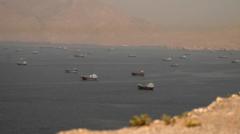
US Military Action in Response to Strait of Hormuz Incident
The United States has initiated military strikes on Iran following recent attacks on commercial vessels operating in the strategically vital Strait of Hormuz. These US strikes on Iran represent a significant escalation in ongoing regional hostilities and underscore the volatile security situation in one of the world's most critical shipping lanes.
Strategic Rationale Behind the Operation
American military officials have characterized the operation as a necessary action designed to impose "heavy costs" on Iranian assets and interests. The strikes target facilities and infrastructure deemed responsible for supporting maritime attacks in the Strait of Hormuz. According to Pentagon statements, the action aims to deter future hostile activities and protect international commerce flowing through this essential waterway that connects the Persian Gulf to the Arabian Sea.
Tanker Attacks Prompt International Concern
The incidents involving commercial tankers in the Strait of Hormuz have raised serious alarms among international shipping companies and energy markets worldwide. Multiple vessels reported damage from what authorities suspect were coordinated maritime operations. These tanker attacks in the Middle East region have disrupted global oil supplies and intensified concerns about freedom of navigation in contested waters.
Iran's Stern Warning and Threat Assessment
Iranian leadership has responded with a forceful statement, declaring that the nation will "take decisive measures" in retaliation for the American military action. Officials in Tehran have characterized the US strikes on Iran as an unprovoked act of aggression and have vowed proportional consequences. This Iran military response marks a critical moment in the escalating confrontation between the two nations.
Regional Implications and Security Concerns
Analysts warn that the cycle of military action and counteraction risks further destabilization throughout the Middle East. The Strait of Hormuz remains a critical chokepoint, with approximately one-third of seaborne traded oil passing through its waters daily. Any prolonged interruption to shipping routes could have significant global economic ramifications, affecting energy prices and international commerce.
International Response and Diplomatic Efforts
The international community has called for restraint and renewed diplomatic engagement. Several nations have expressed concerns about the escalating US Iran tensions and have urged all parties to pursue negotiations rather than military confrontation. European allies and other regional stakeholders have emphasized the importance of protecting commercial shipping while avoiding further military escalation that could destabilize the entire region.
Long-Term Strategic Outlook
This military confrontation highlights the complex geopolitical dynamics at play in the Persian Gulf region. The cycle of US strikes on Iran and threatened retaliation demonstrates the fragile security balance that exists in this strategically important area. Moving forward, diplomatic channels and international mediation may prove essential to preventing further deterioration of an already tense situation.