
Trump Halts Iran Military Strikes Pending Swift Diplomatic Agreement
Trump suspends Iran military strikes contingent on rapid deal completion. US president states Middle Eastern nations requested Washington delay attacks as agreement frameworks advance.
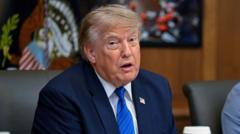
Trump Suspends Iran Military Strikes Following Diplomatic Negotiations
The United States president has announced a suspension of military strikes against Iran, contingent upon rapid progress toward a comprehensive diplomatic agreement. The Trump Iran strikes decision represents a significant shift in approach as negotiations advance in the region.
According to statements from the White House, the president claims that Iran, alongside other key Middle Eastern nations, formally requested that Washington refrain from launching any immediate military action. This diplomatic intervention by regional partners underscores the delicate nature of ongoing negotiations and the international pressure to pursue peaceful solutions rather than military escalation.
Framework for Diplomatic Resolution Nearing Completion
Administration officials indicate that the foundational parameters of a potential agreement have already been established between the parties involved. The Trump Iran strikes suspension appears designed to create space for negotiators to finalize outstanding details and secure formal commitments from all stakeholders.
The timing of this announcement comes as tensions in the Middle East have remained elevated following previous incidents that threatened to trigger broader regional conflict. By pausing military operations, the Trump administration signals a willingness to prioritize diplomatic channels, though officials maintain that military options remain available should negotiations fail.
Regional Partners Express Support for Negotiations
Multiple Middle Eastern governments have reportedly communicated their preference for diplomatic resolution over military confrontation. These nations, which maintain strategic interests in Middle Eastern stability, reportedly conveyed their position to Washington through both official and back-channel communications.
The president's decision to honor these requests demonstrates the importance of international coalition-building in major foreign policy decisions. Rather than pursuing unilateral military action, the administration is taking into account the perspectives and concerns of allied nations in the region who face direct consequences from any escalation of hostilities.
Critical Timeframe for Deal Completion
White House officials have emphasized that the suspension of Trump Iran strikes is explicitly conditional upon rapid progress in negotiations. This creates a defined timeframe for diplomatic efforts, with the implicit understanding that if substantial breakthroughs do not occur quickly, military options could be reconsidered.
The emphasis on speed reflects the administration's impatience with prolonged negotiations and its expectation that willing parties can reach binding agreements efficiently. Negotiating teams are reportedly working around the clock to finalize remaining details and present a comprehensive framework for presidential approval.
Implications for Middle East Stability
The suspension of Trump Iran strikes represents a critical moment for Middle Eastern stability and international relations. The region has experienced significant volatility in recent years, with various military confrontations threatening to escalate into broader conflicts involving multiple nations.
This diplomatic pause provides an opportunity for skilled negotiators to construct agreements that address underlying security concerns for all parties involved. Success in these negotiations could establish precedents for handling future disputes through negotiation rather than military confrontation, potentially reshaping regional dynamics for years to come.
Military Readiness Maintained Despite Pause
Despite the suspension of immediate military strikes, Pentagon officials continue to maintain full operational readiness. The Trump Iran strikes decision does not involve any reduction in military presence or capabilities in the region. Armed forces stationed throughout the Middle East remain positioned and prepared to respond rapidly should circumstances change or diplomatic efforts collapse.
This dual approach—maintaining military pressure while pursuing diplomatic solutions—reflects a strategy of combining incentives for cooperation with credible consequences for non-compliance. The presence of capable military forces serves as both a guarantee of American security commitments and a reminder of the potential costs of failed negotiations.
International Response to Diplomatic Initiative
Global markets and international observers have responded cautiously to the Trump Iran strikes suspension announcement. Financial markets experienced modest gains on news of reduced military tensions, though uncertainty about the sustainability of diplomatic progress remains evident.
European allies and other international partners have publicly endorsed the diplomatic approach while emphasizing the importance of constructive engagement. International forums continue to monitor developments closely, recognizing that any breakthrough in Trump Iran strikes prevention could have significant implications for broader global stability and international law.