
Vessels Navigate Strait of Hormuz Following US-Iran Accord
Dozens of ships traverse the Strait of Hormuz after the US-Iran deal. Traffic surge includes 42 vessels on Saturday amid growing maritime activity and renewed commerce.
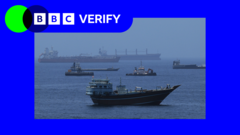
Significant Maritime Traffic Surge Through Strait of Hormuz After US-Iran Deal
The Strait of Hormuz has witnessed a notable increase in maritime activity following the conclusion of a comprehensive agreement between the United States and Iran. This strategic waterway, one of the world's most critical shipping routes, has experienced unprecedented vessel movements as commercial operations resume and international trade dynamics shift in response to the diplomatic accord.
Record Traffic Volumes in Recent Days
The intensity of maritime passage through this vital chokepoint reached remarkable levels, with 42 ships navigating the Strait of Hormuz on a single Saturday following the US-Iran deal announcement. This substantial influx represents a dramatic shift from previous traffic patterns and underscores the immediate commercial implications of the international agreement. Multiple vessel operators have expedited shipments and scheduled additional transits to capitalize on the emerging opportunities presented by the accord.
Economic and Geopolitical Ramifications
The surge in Strait of Hormuz shipping activity reflects broader economic expectations emerging from the US-Iran deal. International maritime companies have responded swiftly to market signals, with numerous cargo vessels, tankers, and commercial ships establishing new transit schedules through the waterway. The resumption of more normalized shipping patterns suggests that commercial confidence has been restored in this previously restricted corridor.
Implications for Global Energy Markets
The increased passage of vessels through the Strait of Hormuz carries significant implications for energy markets worldwide. Oil transport, petrochemical shipments, and related energy commodities have historically depended on stable transit conditions through this passage. The US-Iran deal has reportedly facilitated smoother operational procedures, reducing delays and regulatory uncertainties that previously complicated maritime scheduling in the region.
International Commerce Recovery
Beyond energy sector considerations, the broader maritime traffic surge reflects expanded commercial opportunities. The Strait of Hormuz serves as a critical node connecting Middle Eastern ports with global markets. The diplomatic agreement has enabled shipping companies to pursue previously constrained routes and commercial partnerships, fostering renewed economic activity across the region.
Strategic Importance of the Waterway
Understanding the significance of the Strait of Hormuz requires acknowledging its role in global commerce. Approximately one-fifth of all internationally traded oil passes through this narrow passage, making maritime security and transit stability paramount considerations for nations worldwide. The US-Iran deal has effectively reduced tensions that previously complicated navigation and coordination efforts.
Outlook for Sustained Maritime Growth
Industry observers anticipate that traffic patterns through the Strait of Hormuz will continue adjusting as stakeholders adapt to the new regulatory environment established by the US-Iran deal. Shipping schedules, port operations, and maritime logistics networks are being recalibrated to reflect improved political conditions. This fundamental shift in regional dynamics promises sustained increases in vessel movements and commercial activity throughout the waterway.