
Trump Administration Issues Subpoenas to NYT Journalists Over Air Force One Security Reporting
Trump administration subpoenas New York Times reporters who broke Air Force One security story. Learn details about the Qatar-gifted aircraft investigation.
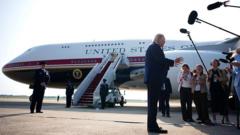
Trump Administration Subpoenas New York Times Journalists
The Trump administration has issued legal subpoenas to journalists at the New York Times following their investigative Air Force One security reporting. The summons came after the newsroom published detailed accounts regarding alleged security vulnerabilities discovered in the president's newly acquired aircraft.
Details of the Air Force One Security Investigation
The Air Force One security reporting that prompted the subpoenas focused on potential issues with the presidential plane, which was gifted to the United States by Qatar. Journalists at the Times had conducted extensive research into the aircraft's systems and identified concerns that raised questions about the vessel's readiness for presidential use.
The Qatar-Gifted Aircraft and Its Background
Qatar's gift of the aircraft to the administration represented a significant diplomatic gesture, though the Air Force One security reporting revealed that thorough vetting procedures may have overlooked critical safeguards. The plane was intended to serve as a backup or supplementary aircraft for presidential transportation, but the investigation uncovered technical and operational concerns that warranted public disclosure.
The decision by Qatar to provide this aircraft came during a period of strengthened relations between the two nations. However, the Air Force One security reporting demonstrated that diplomatic gifts do not automatically meet the stringent standards required for protecting the sitting president.
Legal Implications and Press Freedom Concerns
The issuance of subpoenas to the New York Times journalists has raised significant concerns among press freedom advocates and media watchdog organizations. Legal experts argue that subpoenas targeting reporters for their coverage of government operations can have a chilling effect on investigative journalism and public accountability reporting.
The Trump administration's action to subpoena journalists over Air Force One security reporting represents a contentious intersection between national security interests and First Amendment protections. News organizations have traditionally argued that journalists should be able to report on matters of public interest without fear of legal retaliation from government entities.
Investigative Journalism and National Security
The New York Times' Air Force One security reporting exemplifies the important role that investigative journalism plays in examining government operations and expenditures. The reporters involved conducted thorough research to understand the aircraft's technical specifications, security systems, and operational readiness before publishing their findings.
Media outlets contend that Air Force One security reporting serves the public interest by ensuring transparency regarding assets used to protect the nation's leadership. Without such scrutiny, potential vulnerabilities might remain unaddressed, thereby compromising actual security rather than enhancing it.
Government Response and Stated Rationale
While the Trump administration has issued the subpoenas in connection with Air Force One security reporting, official statements regarding the specific rationale remain limited. Legal analysts suggest that the administration may be seeking to identify sources or obtain communications related to the original story about the Qatar-gifted aircraft.
The subpoenas demand that the journalists appear for questioning and potentially provide documentation related to their Air Force One security reporting. Such legal actions have historically sparked broader debates about journalist shield laws and the scope of government power to compel testimony from members of the press.
Historical Precedent and Similar Cases
Instances of subpoenas targeting journalists over Air Force One security reporting and related national security stories are not entirely unprecedented. Previous administrations have similarly pursued journalists and news organizations in attempts to obtain information about their sources or reporting methods.
However, press freedom organizations emphasize that each case involving subpoenas to journalists over national security matters sets important precedent. The Trump administration's action regarding the Air Force One security reporting will likely influence discussions about the balance between executive authority and press freedom protections.
Response from News Organizations
The New York Times and other major news outlets have responded to the subpoenas with statements affirming their commitment to Air Force One security reporting and investigative journalism. Editors at the Times have indicated that they will work with legal counsel to address the subpoenas while protecting their journalists' rights.
Media organizations across the spectrum have called attention to the subpoenas as a matter affecting not only the New York Times but the broader news industry's ability to conduct Air Force One security reporting and similar investigations without government intimidation.
Public Interest and Ongoing Developments
The situation surrounding the subpoenas and Air Force One security reporting continues to develop as legal proceedings advance. Public interest in the story remains high, with both supporters and critics of the Trump administration offering differing perspectives on the appropriateness of the government's actions.
As this matter unfolds, observers will be watching to see how courts handle the intersection of national security concerns and press freedom rights, particularly regarding Air Force One security reporting and other sensitive government matters. The outcome could have significant implications for the future of investigative journalism in the United States.