
Surgeons Remotely Control Humanoid Robots in Operating Theatre
Surgeons successfully operate two human-like robots from a distance in a cutting-edge operating theatre demonstration. Discover this revolutionary medical technology.
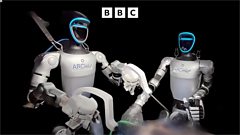
Surgeons Successfully Operate Human-Like Robots from Distance
In a groundbreaking medical demonstration, surgeons remotely control two humanoid robots operating within a sterile surgical environment. This innovative approach showcases how surgeons remotely control robots to perform complex surgical tasks, representing a significant advancement in telemedicine and robotic-assisted procedures.
The demonstration revealed the capability of experienced surgical teams to manipulate sophisticated mechanical systems from a remote location, maintaining full precision and control throughout delicate operations. This capability opens unprecedented possibilities for medical interventions where physical presence in the operating theatre becomes optional rather than essential.
Understanding Remote-Controlled Surgical Robots
Remote-controlled surgical robots combine advanced engineering with medical expertise, allowing surgeons remotely control robots with remarkable accuracy. These humanoid systems translate hand movements and visual feedback into precise mechanical actions, creating a seamless interface between the medical professional and the robotic apparatus.
The two robots utilized in this demonstration were equipped with sophisticated sensory systems, including high-definition cameras and haptic feedback mechanisms. These technologies enable surgeons to perceive depth, texture, and resistance during procedures, effectively replicating the tactile experience of traditional surgical intervention despite the physical distance separating the operator from the robotic system.
Operating Theatre Setup and Infrastructure
The operating theatre environment where surgeons remotely control robots must maintain strict sterility standards while accommodating advanced technological equipment. The demonstration required specialized infrastructure including secure telecommunications networks, redundant power systems, and fail-safe mechanisms to ensure continuous operational capability.
Integration of robotic systems within existing surgical facilities presented unique challenges regarding space allocation, cable management, and electromagnetic compatibility. The medical teams resolved these concerns through careful planning and architectural modifications, resulting in a functional workspace where humanoid robots could operate without compromising established safety protocols or contamination prevention measures.
Advantages of Remote Surgical Operations
The ability for surgeons remotely control robots introduces multiple advantages to medical practice. Geographic limitations disappear when expert practitioners can operate from locations far removed from their patients, potentially bringing specialized surgical expertise to underserved regions and rural communities lacking local surgical specialists.
Furthermore, remote surgical operations reduce fatigue-related complications by allowing surgeons to work in ergonomic positions rather than standing in uncomfortable postures for extended periods. The controlled environment of a command center enables better lighting, reduced physical strain, and improved concentration, potentially enhancing surgical outcomes and procedure safety.
Technological Components and System Architecture
The humanoid robots demonstrated in the operating theatre represent years of engineering development, incorporating artificial intelligence, computer vision, and biomechanical expertise. Each robot features articulated limbs with multiple degrees of freedom, allowing complex movements required for surgical tasks such as incisions, tissue manipulation, and instrument handling.
Communication systems transmitting surgeon commands to the robots operate through encrypted networks with minimal latency, ensuring responsive control without dangerous delays between intended actions and mechanical execution. These networks employ redundancy protocols to maintain operation continuity, automatically switching to backup systems if primary connections fail during critical surgical moments.
Future Implications for Medical Practice
This demonstration of surgeons remotely control robots suggests transformative changes approaching medical institutions globally. As technology advances, remote surgical capabilities could become standard practice rather than experimental procedures, fundamentally altering how medical services distribute across geographic and demographic boundaries.
Training programs will likely evolve to incorporate robotic operation alongside traditional surgical education. Young surgeons may develop enhanced skills through virtual reality simulations and remotely controlled practice systems before advancing to human patient interventions, potentially improving overall competency and reducing complications related to inexperience.
Regulatory and Ethical Considerations
As surgeons remotely control robots in clinical settings, regulatory frameworks must adapt to address liability, certification requirements, and standardization protocols. Medical governing bodies are developing guidelines ensuring that remote surgical systems meet established safety standards while maintaining accountability when complications occur.
Ethical questions regarding patient consent, data security, and equitable access to advanced surgical technologies require thoughtful consideration. Healthcare administrators must balance innovation enthusiasm with practical concerns about implementation costs, training requirements, and ensuring that robotic surgery advancement benefits broader populations rather than exclusively serving wealthy institutions.