
Food Tracking Apps: Weighing Health Benefits Against Potential Drawbacks
Discover how food tracking apps impact your dietary habits. Explore the science behind monitoring purchases, benefits, risks, and expert recommendations for healthier eating.
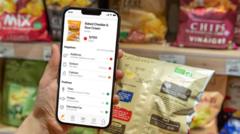
Understanding Food Tracking Apps and Their Role in Health
Food tracking apps have become increasingly prevalent in the digital health landscape, prompting many individuals to question whether monitoring their food purchases genuinely contributes to improved dietary outcomes. These applications, designed to log meals and analyze nutritional content, offer users unprecedented insight into their consumption patterns. However, the relationship between food tracking apps and sustained health improvements remains complex and multifaceted.
The concept of documenting food intake isn't entirely new, but technology has transformed this practice into an accessible tool for millions worldwide. What was once confined to clinical settings or dedicated food diaries is now available at our fingertips through smartphones and web platforms. Yet determining whether food tracking apps truly deliver the promised health benefits requires examining both scientific evidence and individual circumstances.
The Positive Impact of Monitoring Your Dietary Choices
Research suggests that dietary monitoring can serve as a powerful motivator for positive behavioral change. When individuals consciously document what they eat, they become acutely aware of their actual consumption versus their perceived intake. This heightened awareness often leads to more deliberate food choices and portion control.
Studies published in nutrition journals indicate that users who engage in consistent nutritional awareness tend to consume fewer calories and make more balanced meal selections. The act of logging itself creates accountability, transforming eating from an automatic behavior into a thoughtful decision-making process. Additionally, many applications provide immediate feedback on macro and micronutrient distribution, helping users understand whether their diet aligns with their health objectives.
For individuals managing specific conditions such as diabetes, hypertension, or obesity, food tracking apps provide measurable data that supports clinical interventions. Healthcare professionals can review detailed logs to identify problematic patterns and offer targeted recommendations. This objective information proves invaluable in medical settings where personalized dietary adjustments are necessary.
The Psychological Challenges of Continuous Food Monitoring
Despite evident benefits, excessive reliance on food tracking apps can trigger or exacerbate unhealthy psychological relationships with food. Individuals prone to disordered eating patterns may find constant monitoring reinforces obsessive behaviors and anxiety around meals. The precision of calorie counting can transform eating from a pleasurable experience into a source of stress and guilt.
Mental health professionals have raised concerns about the potential for dietary monitoring to contribute to restrictive eating patterns, particularly among younger users and those with predispositions toward eating disorders. When the goal shifts from balanced nutrition to rigid numerical targets, the fundamental purpose—achieving sustainable health—becomes compromised. Some users report experiencing anxiety when unable to log meals or when consumption exceeds preset limits.
Accuracy Limitations and Real-World Challenges
The reliability of food tracking apps depends heavily on data entry accuracy and database comprehensiveness. Most applications contain estimated nutritional information based on standard USDA databases, which may not precisely reflect the actual content of prepared foods. Restaurant meals, homemade dishes, and processed foods with variable ingredients often display significant caloric discrepancies.
Furthermore, users frequently underestimate portion sizes, forget to log certain foods, or struggle with foods not included in the application's database. These cumulative inaccuracies mean the data provided may not genuinely reflect actual intake. For practical purposes, minor variations might seem inconsequential, but for individuals relying on precise nutritional management, these gaps create real challenges.
Factors That Determine Success With Food Tracking
The effectiveness of food tracking apps ultimately depends on individual circumstances, motivations, and the duration of usage. Short-term tracking often produces results as novelty and motivation remain high. However, maintaining consistent engagement beyond several months becomes difficult for most users, particularly when the initial enthusiasm wanes.
Individual personality traits significantly influence whether monitoring proves beneficial or counterproductive. Individuals with naturally analytical mindsets often thrive with detailed tracking, while others may feel constrained by the rigid structure. People with strong intrinsic motivation tend to experience positive outcomes, whereas those tracking primarily for external validation may develop unhealthy relationships with the process.
Expert Recommendations for Balanced Food Tracking
Nutritionists and health professionals generally recommend a graduated approach to food tracking apps. Initially, short-term tracking—perhaps two to four weeks—can serve as an educational tool, helping users understand their baseline intake and identify areas for improvement. This limited engagement provides valuable insights without promoting dependency.
Following this initial assessment, experts suggest transitioning toward intuitive eating practices informed by earlier observations. Rather than maintaining constant surveillance, users can implement the lessons learned through periodic tracking sessions. This balanced methodology harnesses the educational benefits of dietary monitoring while protecting psychological well-being.
Healthcare providers emphasize that apps should complement, not replace, professional guidance. Dietitians can interpret tracking data within appropriate context and help users avoid developing obsessive monitoring habits. For individuals with eating disorders or significant psychological concerns, tracking should be implemented cautiously or avoided entirely.
Conclusion: Making Informed Decisions About Food Tracking
Food tracking apps represent valuable tools within a comprehensive health strategy, but they're not universally appropriate or beneficial for everyone. The key lies in approaching them mindfully, recognizing both their potential and their limitations. When used strategically for limited periods under professional guidance, food tracking apps can enhance nutritional awareness and support meaningful dietary improvements. However, continuous monitoring divorced from broader wellness objectives may promote unhealthy relationships with eating. The question isn't whether tracking is universally good or bad, but rather how to integrate it thoughtfully into individual health journeys while maintaining psychological balance and enjoyment of food.