
Russia Launches Devastating Ballistic Missile Strike on Ukraine
Russia executes major ballistic missile attack across Ukrainian cities, killing eight people and injuring dozens. Kyiv retaliates with strikes on Russian infrastructure.
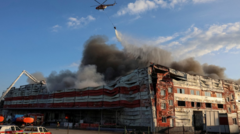
Russia Launches Ballistic Missile Attack on Ukrainian Cities
In a significant escalation of military operations, Russia has executed a major ballistic missile attack on Ukrainian cities, resulting in casualties and widespread damage across multiple urban centers. The coordinated assault involved both ballistic missiles and unmanned aerial vehicles targeting civilian and strategic infrastructure throughout the country. This ballistic missile attack Ukraine represents another phase in the ongoing conflict between the two nations.
Casualties and Impact
According to official reports, eight individuals lost their lives in the coordinated strikes, while dozens of additional people sustained injuries of varying severity. The attacks affected multiple cities simultaneously, causing destruction to residential areas, commercial districts, and critical infrastructure facilities. Emergency services mobilized rapidly to respond to the incidents and provide medical assistance to the wounded.
Affected Urban Centers
Several major Ukrainian cities experienced direct impacts from the ballistic missile assault. The strikes targeted locations across different regions of the country, demonstrating the geographic scope of the military operation. Residential neighborhoods faced particular vulnerability during the strikes, with civilian populations bearing the brunt of the bombardment. Local authorities reported significant damage to apartment buildings, public structures, and essential services infrastructure.
Kyiv's Retaliatory Response
In response to the Russian offensive, Ukrainian forces initiated their own military operations against Russian infrastructure targets. Kyiv has continued demonstrating its capacity to strike back at Russian positions and strategic facilities beyond its borders. These retaliatory measures form part of the broader conflict dynamics where both sides maintain offensive capabilities despite the ongoing military confrontation.
Strategic Implications
The ballistic missile attack represents a significant military action in the context of the prolonged conflict. Russia's decision to launch such a comprehensive assault reflects the tactical and strategic calculations driving military decisions. The timing and scope of the operation underscore the intensity of the current phase of warfare between the two nations.
Humanitarian and Infrastructure Concerns
The missile strikes have raised additional humanitarian concerns regarding civilian safety and protection of critical infrastructure. Power systems, water supply networks, and medical facilities have been affected by the bombardment. The impact on civilian populations continues to drive international attention and diplomatic discussions regarding the conflict's progression.
International Response
The ballistic missile attack has attracted international scrutiny and commentary from various global actors. Multiple nations and international organizations have expressed positions regarding the military operations and their implications for regional stability. The incident contributes to the broader geopolitical tensions surrounding the conflict between Russia and Ukraine.
Ongoing Military Operations
The attack demonstrates that military operations continue at significant intensity, with both sides maintaining active engagement. Ukrainian defensive systems attempted to intercept incoming threats, though some missiles successfully reached their targets. The persistence of such large-scale operations indicates that the conflict remains far from resolution.
Conclusion
Russia's execution of a major ballistic missile attack on Ukrainian cities has resulted in tragic casualties and substantial destruction. The response from Kyiv and the international community reflects the serious nature of the escalating military confrontation. As the situation continues to develop, the humanitarian consequences and strategic implications of such operations remain central concerns for affected populations and international observers.