
Former Olympic Athlete Denies Vandalism Charges After Washington Pool Arrest
Former Olympian arrested at Washington Reflecting Pool denies vandalism allegations, claiming he was only inspecting fresh paint at the site.
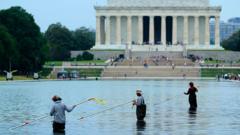
Olympian Faces Vandalism Accusations Following Washington Reflecting Pool Incident
A former Olympic competitor has firmly rejected allegations of vandalism at the iconic Washington Reflecting Pool following his recent arrest at the location. The incident has drawn significant attention to the maintenance and security of one of the nation's most recognizable monuments, raising questions about public access and site protection protocols.
Details of the Arrest and Allegations
The former Olympian was detained after authorities responded to reports of suspicious activity near the Washington Reflecting Pool. Law enforcement officers conducted an investigation into the alleged vandalism that supposedly occurred at the historically significant site. The athlete's arrest sparked considerable debate among community members and news outlets regarding the circumstances surrounding the incident and the evidence presented by authorities.
The Defendant's Statement and Defense
In his denial of the Washington Reflecting Pool vandalism charges, Davey Hearn provided a straightforward explanation for his presence at the location. According to his account, he was engaging in an innocent act of curiosity when he examined the newly applied paint at the site. Hearn emphasized that his actions were purely investigative in nature, driven by a desire to inspect the fresh coating that had been recently applied to surfaces in the area.
The former athlete explicitly stated that he neither removed nor altered any paint at the Washington Reflecting Pool during the incident in question. His defense centers on the distinction between casual observation and deliberate destruction or modification. Hearn maintains that touching the paint to assess its condition does not constitute vandalism under any reasonable interpretation of the term.
Legal Implications and Investigation Status
The case highlights important questions regarding how authorities distinguish between innocent contact and criminal vandalism at public monuments. Legal experts have noted that proof of intentional damage or alteration is typically required to substantiate vandalism charges. The prosecution's burden includes demonstrating that any alleged damage occurred as a direct result of the defendant's actions and that such actions were deliberate rather than accidental.
Authorities continue to evaluate evidence collected during the investigation into the Washington Reflecting Pool incident. Surveillance footage, witness statements, and physical evidence from the scene are being reviewed as part of the ongoing legal process. The case is expected to proceed through the judicial system, where questions about the nature of Hearn's contact with the paint will be subject to scrutiny and expert analysis.
The Washington Reflecting Pool's Significance
The Washington Reflecting Pool remains one of the most visited and photographed landmarks in the United States capital. The structure requires ongoing maintenance to preserve its historical and aesthetic value for millions of visitors annually. Recent renovation and maintenance efforts have involved various repairs and repainting projects to ensure the pool's continued integrity and visual appeal.
Security measures at the site balance the public's right to access with the need to protect the monument from damage. This incident raises broader conversations about how authorities can effectively maintain monuments while accommodating public interaction and tourism.
Athletic Background and Public Profile
Davey Hearn's status as a former Olympic athlete has added a layer of public interest to the case. His participation in Olympic competition represents significant athletic achievement and establishes him as a recognizable figure within certain sports communities. The contrast between his athletic accomplishments and the current legal proceedings has captured media attention and public curiosity.
Hearn's reputation in the athletic community may be affected by these allegations pending the outcome of legal proceedings. Many supporters and colleagues await clarity on the exact circumstances of the incident and the validity of the charges brought against him.
Looking Forward
As this case develops, the outcome will likely influence how similar incidents at protected monuments are investigated and prosecuted. The distinction between innocent exploration and intentional vandalism at the Washington Reflecting Pool and other iconic sites may be further clarified through legal proceedings and judicial determination.
The former Olympian's denial of vandalism charges sets the stage for a legal process that will examine evidence, witness testimony, and expert analysis to determine whether any actual damage occurred and who bears responsibility for it. Until a resolution is reached, questions regarding the true nature of the incident remain subjects of public debate and legal scrutiny.