
France Prohibits Alcohol Sales at Music Festivals During Extreme Heat Alerts
France bans alcohol at music festivals during red heatwave alerts to preserve healthcare resources. Discover how extreme heat policies affect summer events nationwide.
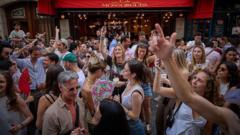
France Implements Alcohol Ban at Music Festivals During Red Heatwave Alerts
France bans alcohol at music festivals and major street events as part of an emergency protocol during periods of extreme heat. The governmental measure aims to protect public health and preserve critical healthcare services when temperatures reach dangerous levels, particularly during red heatwave alerts affecting the nation.
This unprecedented restriction targets the millions of attendees who gather annually at music festivals, street parties, and outdoor entertainment venues across France. When meteorological authorities declare a red alert due to extreme temperatures exceeding 40 degrees Celsius (104 degrees Fahrenheit), local authorities must enforce strict regulations to maintain the functionality of hospitals and emergency services.
Understanding the Red Heatwave Alert System
France's color-coded heatwave warning system designates red alerts as the highest level of concern. During such periods, the nation faces significant strain on its healthcare infrastructure. Emergency rooms become overwhelmed with heat-related medical emergencies, dehydration cases, and complications among vulnerable populations. By restricting alcohol consumption at major public gatherings, authorities seek to minimize preventable health incidents that would further burden medical personnel.
The regulation recognizes that alcohol impairs the body's natural cooling mechanisms and increases dehydration risk during extreme heat. When thousands of festival-goers consume alcoholic beverages in high temperatures, the consequence manifests as increased medical emergencies that divert resources from critical care situations.
Impact on Annual Music Festivals and Street Celebrations
France's vibrant cultural calendar includes numerous annual street parties and music festivals that typically welcome millions of visitors during summer months. These events form essential components of French social life, featuring live performances, local cuisine, and communal celebrations. The alcohol prohibition during red heatwave alerts fundamentally alters the traditional festival experience for attendees and organizers.
Event organizers must implement alternative beverage services emphasizing water distribution, electrolyte drinks, and non-alcoholic refreshments. This transition requires significant logistical adjustments to concession stands, vendor arrangements, and festival planning. Despite the modifications, authorities maintain that temporary restrictions protect both individual attendees and the collective health system capacity.
Healthcare System Preservation During Extreme Temperatures
France's public healthcare system operates under considerable stress during heatwave periods. Hospital administrators report that emergency departments experience patient volumes triple or quadruple normal levels when temperatures soar. Medical staff work extended hours managing heat exhaustion, stroke cases, and acute conditions exacerbated by extreme temperatures.
The alcohol ban at music festivals represents one component of a comprehensive heatwave response strategy. Authorities also recommend limiting outdoor activities during peak heat hours, maintaining hydration, and checking on elderly citizens. By reducing preventable medical emergencies associated with alcohol consumption in extreme heat, France preserves medical resources for genuine emergencies.
Regulatory Framework and Enforcement Mechanisms
Local prefectures implement the alcohol restriction when national meteorological agencies declare red heatwave alerts for their regions. Event permits explicitly prohibit alcoholic beverage sales during these designated periods. Venue operators, festival organizers, and commercial vendors must comply with enforcement guidelines, with penalties imposed for violations.
The regulatory framework applies uniformly across France's territory, ensuring consistent implementation regardless of regional variations. Organizers receive advance notice through official channels, allowing sufficient preparation time for beverage service modifications and staff training regarding the temporary restrictions.
Societal Response and Adaptation Strategies
French communities have adapted to heatwave protocols with varying degrees of acceptance. Festival organizers emphasize enhanced safety measures, improved water distribution systems, and extended medical staffing during red alert events. Many venues embrace the alcohol ban as a necessary public health intervention, promoting family-friendly environments and wellness-focused celebrations.
Attendees generally support the restrictions when framed within healthcare preservation contexts. Educational campaigns explain the physiological dangers of alcohol consumption during extreme heat, encouraging responsible behavior during mandatory heat alert periods. Some festivals have successfully implemented the changes, reporting positive experiences and strong community participation despite modified beverage offerings.
Future Implications for France's Climate Adaptation
As climate change increases heatwave frequency and intensity, France anticipates more frequent red alert periods requiring alcohol restrictions at public events. Long-term planning now incorporates heat resilience strategies, infrastructure improvements for outdoor venues, and public awareness initiatives. Policymakers recognize that temporary event modifications may become permanent features of summer celebrations.
The alcohol ban exemplifies how European nations adapt social practices to environmental realities. Rather than canceling cultural events entirely, France implements targeted measures that balance celebration with collective health protection. This approach provides a model for other countries facing similar climate-related challenges to public health systems.