
Preserving History: Advanced Tech Saves Swedish Warship
Discover how cutting-edge technology is revolutionizing historic warship preservation in Sweden. Meet the team dedicated to saving maritime heritage.
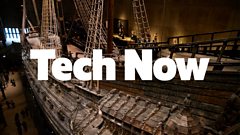
Advanced Technology Revolutionizes Historic Warship Preservation in Sweden
Historic warship preservation technology represents a critical frontier in maritime conservation, combining innovative engineering with archaeological expertise. Adrienne Murray recently visited Sweden to document the dedicated professionals working to safeguard one of Northern Europe's most significant naval vessels through cutting-edge technological solutions.
The Mission to Save Sweden's Naval Heritage
The team engaged in this historic warship preservation technology project operates with a singular purpose: ensuring that future generations can experience and learn from an authentic piece of maritime history. Located in Swedish waters, this vessel stands as a testament to centuries-old naval craftsmanship and strategic importance. The professionals involved understand that without intervention using modern preservation techniques, irreplaceable historical records would be lost to time and environmental degradation.
Why Preservation Matters
Historic warships serve as floating museums and educational resources, offering invaluable insights into past naval warfare, shipbuilding methodologies, and maritime culture. These vessels embody the stories of countless individuals who served aboard them, making their preservation a responsibility to both history and those who came before. The application of historic warship preservation technology ensures that these narratives remain accessible and protected.
Innovative Techniques Driving the Project
The preservation effort employs a multifaceted approach combining various technological innovations. Specialists utilize advanced scanning technologies to document every structural element, creating comprehensive digital archives that capture the vessel's current condition with unprecedented precision. These scans provide baseline data essential for monitoring deterioration rates and planning targeted interventions.
Digital Documentation and Analysis
Three-dimensional imaging technology allows researchers to examine the warship's construction in minute detail, revealing historical building practices and design innovations. This digital documentation serves dual purposes: it protects information against potential loss while enabling remote study and collaborative research among international maritime historians and conservation specialists.
Structural Monitoring Systems
Modern sensor networks have been integrated throughout the vessel, continuously tracking environmental conditions, water chemistry, and structural stress indicators. These systems provide real-time data that helps conservators understand which areas require immediate attention and which preservation strategies prove most effective over extended periods.
The Team Behind the Conservation Effort
Adrienne Murray's visit introduced audiences to the multidisciplinary professionals committed to this historic warship preservation technology initiative. Naval architects, marine engineers, archaeologists, chemists, and conservators work in concert, each contributing specialized expertise toward the common goal of extending the vessel's survival.
Expertise Across Disciplines
The collaboration demonstrates how historic warship preservation technology demands knowledge from numerous fields. Engineers assess structural integrity and develop reinforcement solutions, while chemists address corrosion and biological degradation processes. Archaeologists contextualize findings within broader maritime history, enriching both preservation efforts and historical understanding.
Challenges in Maritime Conservation
Preserving wooden vessels presents unique challenges that distinguish maritime conservation from land-based archaeology. Saltwater immersion creates continuous threats from corrosion, marine organism growth, and wood decay. Temperature fluctuations, tidal movements, and storm damage represent additional hazards that conservation teams must anticipate and mitigate through technology and strategy.
Environmental Pressures
Swedish waters present particular challenges due to their specific salinity levels, microbial populations, and seasonal variations. The historic warship preservation technology employed must account for these localized conditions, requiring constant adaptation and refinement as new data emerges from ongoing monitoring systems.
International Collaboration and Knowledge Sharing
This Swedish preservation initiative contributes to a broader international network of maritime heritage professionals. Techniques and findings are shared across borders, advancing the collective understanding of optimal preservation practices. Such collaboration ensures that historic warship preservation technology benefits from global expertise and innovation.
The Future of Naval Heritage Conservation
As technology continues advancing, new possibilities emerge for more effective and less invasive preservation methods. Artificial intelligence applications may soon help predict deterioration patterns before they become critical. Meanwhile, emerging materials science offers potential solutions for structural reinforcement that honor historical authenticity.
The work accomplished in Swedish waters establishes precedents and methodologies applicable to historic warship preservation technology projects worldwide. This initiative demonstrates that with proper resources, expertise, and technological innovation, humanity can successfully extend the survival of these invaluable historical assets for centuries to come.