
Expert Questions Microsoft's Quantum Computing Breakthrough Claims
A leading scientist challenges Microsoft's quantum computing assertions regarding Majorana chip research. Learn about the ongoing debate in quantum technology.
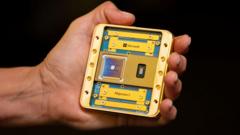
Microsoft Quantum Computing Under Expert Scrutiny
Recent developments in the field of quantum technology have sparked renewed debate surrounding Microsoft's quantum computing initiatives. A prominent researcher has come forward to express significant reservations about the technological claims made by the software corporation regarding its groundbreaking Majorana chip architecture, intensifying discussions within the scientific community.
The emerging criticism represents yet another challenge to Microsoft's quantum computing narrative, which the company has vigorously defended despite mounting skepticism from various quarters of the academic and research sectors. This latest intervention underscores the complexity and controversial nature of quantum advancement claims in contemporary technology.
The Majorana Chip Debate Intensifies
Microsoft's Majorana chip initiative has become a focal point of contention within quantum research circles. The technology giant has consistently maintained confidence in its quantum computing research direction, asserting that its proprietary approach offers distinct advantages over competing methodologies. However, critics argue that certain claims lack sufficient independent verification and peer-reviewed validation.
The quantum computing landscape remains highly competitive, with multiple organizations pursuing different technological pathways. IBM, Google, and other industry players are advancing parallel research programs, each claiming progress toward practical quantum advantage. Microsoft's quantum computing strategy emphasizes topological qubits as a distinctive approach, yet this methodology continues to generate considerable debate among specialists.
Scientific Community Perspectives
The quantum computing field encompasses researchers with diverse viewpoints regarding technological feasibility and timeline expectations. Some scientists embrace optimistic projections about quantum advancement, while others advocate for greater caution in assessing developmental milestones. These differing perspectives reflect genuine technical uncertainties rather than mere disagreement over marketing messaging.
Independent verification of quantum computing claims presents substantial challenges due to the specialized knowledge required and the proprietary nature of much research. This creates an environment where legitimate scientific debate can sometimes appear as industry conflict. Transparency and reproducibility remain critical concerns for researchers evaluating Microsoft's quantum computing assertions and those of competitors.
Industry Response and Future Direction
Microsoft has not retreated from its quantum computing commitments despite ongoing criticism. The company continues investing substantially in quantum research infrastructure and talent acquisition. Industry analysts suggest that the quantum computing sector will benefit from continued rigorous scrutiny, as such examination ultimately strengthens the field's credibility and accelerates genuine technological progress.
The debate surrounding Microsoft's quantum computing claims reflects broader questions about how breakthrough technologies should be communicated to stakeholders, investors, and the general public. As quantum computing matures from theoretical concepts to practical applications, the importance of accurate representation and honest assessment of capabilities and timelines becomes increasingly critical for the entire technology sector.