
Oil Prices Drop as Strait of Hormuz Reopening Gains Momentum
Oil prices decline following diplomatic progress on Strait of Hormuz. US officials report advanced negotiations to restore critical shipping routes and energy flows.
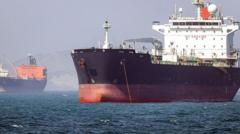
Oil Prices Decline Amid Strait of Hormuz Reopening Prospects
Global oil prices experienced a notable decline following encouraging developments regarding the potential reopening of the Strait of Hormuz. The critical waterway, which serves as one of the world's most vital energy corridors, has become the focal point of international diplomatic efforts aimed at restoring normal maritime commerce and stabilizing commodity markets.
Energy markets responded positively to recent statements from senior US officials who signaled meaningful progress in negotiations. The prospect of renewed shipping activities through this essential passage has prompted traders to reassess their positions, leading to downward pressure on crude valuations across global exchanges.
Diplomatic Breakthrough Signals Market Confidence
US Secretary of State Marco Rubio disclosed that discussions concerning the resumption of shipments have advanced significantly. His announcement reflects a substantial shift in the diplomatic landscape, suggesting that stakeholders have moved beyond preliminary talks toward more substantive negotiations focused on implementation details.
Treasury Secretary Scott Bessent reinforced these developments by confirming that dialogue channels remain active and productive. The involvement of both State Department and Treasury representatives underscores the comprehensive nature of these negotiations, encompassing not only physical infrastructure but also financial mechanisms necessary for normalizing trade relationships in the region.
Market Implications and Crude Oil Response
The oil prices decline represents market participants' confidence in the diplomatic process. When investors perceive reduced supply constraints and improved access to critical maritime routes, they typically adjust positions by selling futures contracts and reducing risk premiums embedded in spot prices. This phenomenon demonstrates how geopolitical developments directly influence energy commodity valuations.
The Strait of Hormuz's strategic importance cannot be overstated, as it remains the chokepoint through which approximately one-fifth of global petroleum supplies transit annually. Any disruption to shipping through this corridor historically triggers immediate market volatility and price spikes. Conversely, signals of reopening generate opposite effects, promoting price moderation as supply concerns diminish.
Global Energy Markets and Shipping Recovery
The prospective reopening carries implications extending far beyond oil prices decline. Natural gas liquefied exports, petrochemical shipments, and numerous other energy-intensive commodities depend on reliable passage through these waters. A successful reopening would facilitate the restoration of complex supply chains that have experienced disruption.
International petroleum companies with operations throughout the Middle East region have been closely monitoring these diplomatic initiatives. The ability to reliably transport crude from producers in the Gulf states to refineries and consumer markets worldwide directly affects their operational planning and financial projections.
Negotiations Moving Toward Implementation
The advancement of talks described by both Rubio and Bessent suggests that discussions have transitioned from preliminary frameworks toward detailed negotiations addressing specific operational procedures. This progression indicates serious commitment from negotiating parties to achieve concrete results rather than maintaining indefinite dialogue.
Energy security analysts have emphasized that successful reopening requires coordination among multiple stakeholders, including naval authorities, insurance providers, and shipping companies. The involvement of Treasury officials suggests that financial safeguards and economic incentive structures are receiving appropriate attention in these negotiations.
Outlook for Oil Markets and Regional Stability
Looking forward, successful reopening of shipping lanes through the Strait of Hormuz would contribute meaningfully to regional stability and global energy affordability. Consumers worldwide benefit from stable oil prices decline achieved through the normalization of supply routes and the reduction of geopolitical risk premiums.
The convergence of diplomatic progress and market response indicates growing confidence among energy traders and institutional investors that substantive improvements in maritime access may materialize in coming weeks or months. This optimism, reflected in current oil prices decline, will likely persist as long as diplomatic discussions continue advancing toward resolution.
Industry observers remain cautiously optimistic, recognizing that while progress has been achieved, final implementation of any reopening agreement requires completion of detailed negotiations and establishment of necessary operational frameworks. The continued involvement of high-level US government officials provides confidence that these discussions maintain appropriate priority within broader foreign policy considerations.