
Russia's Deadliest Kyiv Assault Kills 27 in Massive Strike
Russia launched its largest weapons barrage on Kyiv, killing at least 27 people. The deadliest assault targeted multiple locations across Ukraine's capital city.
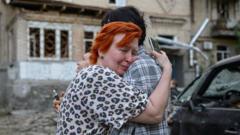
Russia's Largest Attack on Kyiv Leaves Significant Casualties
Russia's largest attack on Kyiv in recent operations has resulted in at least 27 deaths, marking one of the deadliest assaults on Ukraine's capital city. The unprecedented barrage deployed an exceptionally high concentration of weaponry, striking numerous locations across an expansive geographical area within the metropolitan region.
The scope and intensity of this Russia's largest attack on Kyiv demonstrates an escalation in military operations targeting civilian infrastructure and populated zones. Emergency services responded to multiple impact sites simultaneously, with rescue teams working throughout the night to locate survivors amid the extensive damage.
Widespread Impact Across Multiple Districts
The destructive footprint of the assault extended across various neighborhoods and districts, affecting residential areas, commercial zones, and critical infrastructure facilities. The simultaneous strikes on multiple targets created unprecedented coordination challenges for emergency response teams attempting to manage the humanitarian crisis unfolding across the capital.
Witnesses reported continuous explosions over several hours as successive waves of weapons impacted the city. The sheer volume of ordnance deployed in this single operation surpassed previous documented attacks, establishing a new threshold for the intensity of strikes against the Ukrainian capital.
Casualties and Humanitarian Response
The death toll of at least 27 individuals reflects the civilian toll of the bombardment, though authorities indicated that final casualty figures remained preliminary as search and rescue operations continued. Additional injured persons required medical attention at overwhelmed healthcare facilities across Kyiv.
Medical personnel reported treating injuries from blast trauma, structural collapse, and thermal burns. Hospitals activated emergency protocols to accommodate the sudden influx of casualties, with some facilities sustaining damage to their own infrastructure from nearby impacts.
Infrastructure Damage Assessment
Preliminary damage assessments revealed extensive harm to residential buildings, with entire structures partially or completely destroyed in several neighborhoods. Power infrastructure suffered significant disruption, leaving portions of the capital without electricity. Water supply systems also sustained damage, complicating humanitarian relief efforts and sanitation challenges.
Transportation networks experienced considerable disruption, with roads blocked by debris and emergency vehicle access restricted to critical routes. The extensive damage to utility infrastructure threatened to create secondary humanitarian crises related to heating, water availability, and electrical power during the continuing operational period.
Strategic Context of the Operation
The unprecedented scale of Russia's largest attack on Kyiv reflects shifting military tactics and resource deployment decisions. Military analysts noted the concentration of firepower represented a substantial commitment of weaponry and coordination capacity.
This operation continues a pattern of escalating attacks on the Ukrainian capital, with each successive assault demonstrating increased operational coordination and weapons availability. The targeting of civilian areas raises international humanitarian concerns and potential violations of established conflict protocols.
International Response and Ongoing Concerns
The attack prompted international statements condemning the strikes and expressing concern regarding civilian casualties. International organizations monitoring the conflict documented the assault as part of broader patterns affecting civilian populations throughout Ukraine.
Humanitarian organizations mobilized emergency assistance programs, deploying medical supplies and personnel to support overwhelmed local medical systems. International relief agencies coordinated with Ukrainian authorities to address immediate humanitarian needs and plan longer-term recovery assistance.
As rescue operations continued and damage assessments progressed, the scale of Russia's largest attack on Kyiv reinforced the severity of the ongoing conflict's humanitarian dimensions and underscored the urgent need for protective measures safeguarding civilian populations and critical infrastructure.