
MPs Push for Fast Food Ban Near Schools to Combat Obesity Crisis
MPs demand fast food outlets banned near schools and junk food ads restricted on billboards. Health committee urges tough measures against obesity costing UK £74bn yearly.
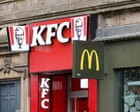
Parliamentary Health Committee Demands Action on Fast Food Ban Near Schools
A fast food ban near schools has become the focal point of a comprehensive strategy to address the escalating obesity crisis in the United Kingdom. Members of Parliament serving on the Commons health committee are preparing to announce recommendations that would fundamentally reshape how and where food retailers can operate in proximity to educational institutions, with major chains such as KFC facing potential restrictions on new site development.
Comprehensive Strategy Beyond the Fast Food Ban
The proposed fast food ban near schools represents just one component of a broader initiative aimed at combating dietary-related health problems. Parliamentary officials have determined that comprehensive measures are necessary to tackle an issue responsible for approximately £74 billion in annual costs to the UK healthcare and economic systems.
Alongside the fast food ban near schools proposal, the committee is advocating for stringent limitations on junk food advertising. Specifically, legislators want to restrict promotional campaigns for unhealthy food products from appearing on billboards and public transportation networks, where commuters and young people are regularly exposed to such marketing messages.
Supermarket Display Requirements and Labeling Standards
The recommendations extend into retail environments, where supermarkets would face mandatory requirements to position fresh produce in prominent locations. These high-traffic areas—including store entrances and checkout zones—are designed to increase consumer visibility and purchasing of fruits and vegetables, thereby promoting healthier dietary choices.
Equally significant is the call for standardized front-of-pack labeling across all food products. This traffic light-style classification system would provide consumers with immediate visual indicators regarding the nutritional value of items, helping shoppers make informed purchasing decisions. Several major supermarket chains have already voluntarily adopted such labeling systems, demonstrating feasibility across the retail sector.
Food Industry Transparency and Accountability Measures
The committee is pushing the government to implement previously outlined policies requiring food manufacturers to disclose what proportion of their sales revenue derives from healthy versus unhealthy products. This transparency initiative aims to create accountability within the food production industry and incentivize companies to diversify their portfolios toward more nutritious offerings.
Addressing Industry Resistance to Regulation
A critical component of the parliamentary position involves confronting the food industry's resistance to regulatory measures. Committee members are explicitly calling on government ministers to demonstrate greater resolve in implementing health-focused policies, rather than succumbing to industry lobbying efforts designed to delay or dilute protective measures.
The MPs emphasize that the food industry frequently mobilizes its considerable resources to obstruct the introduction of regulations that would limit the availability and marketing of unhealthy products. This pattern of resistance, according to parliamentary observers, has historically compromised the effectiveness of public health initiatives.
The Scale of the Obesity Challenge
The economic and health burden justifying these proposed interventions is substantial. With obesity-related conditions costing the NHS and broader economy approximately £74 billion annually, the committee contends that decisive governmental action is not merely advisable but essential. These costs encompass direct medical treatments, lost productivity, and broader societal impacts associated with weight-related diseases.
Expected Outcomes and Policy Implementation
The recommendations from the Commons health committee are anticipated to influence forthcoming government policy announcements regarding public health priorities. Implementation of a fast food ban near schools, combined with advertising restrictions and retail reform measures, would represent a significant departure from the current regulatory framework governing food retail and marketing in the United Kingdom.
These proposals align with international best practices observed in other countries that have implemented similar restrictions targeting childhood obesity and diet-related disease prevention, suggesting evidence-based approaches to a persistent public health challenge.