
Michigan Identifies Salad Greens as Cyclosporiasis Outbreak Source
Michigan health officials pinpoint lettuce and salad greens as potential source of cyclosporiasis outbreak affecting thousands. Investigation ongoing.
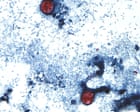
Cyclosporiasis Outbreak Traced to Contaminated Produce
State health authorities in Michigan announced Monday that preliminary findings from their investigation into the expanding cyclosporiasis outbreak have identified lettuce and salad greens as a likely contamination source. The parasitic illness, transmitted through contaminated food products, has affected thousands of residents throughout the state and continues to spread as health officials work to contain the situation.
The Michigan Department of Health and Human Services released an official statement confirming that early investigation results "point to lettuce or salad greens as a potential source for this outbreak." However, investigators emphasized that the probe remains active and ongoing, with officials maintaining caution about potentially overlooking alternative food sources that could contribute to additional cases.
Understanding the Cyclosporiasis Outbreak Symptoms
Cyclosporiasis represents a parasitic infection capable of causing significant gastrointestinal distress in affected individuals. The primary manifestations of this condition include persistent watery diarrhea, diminished appetite, and substantial weight loss over the course of infection. These symptoms can persist for extended periods, creating considerable discomfort and health complications for those infected.
The outbreak has prompted heightened awareness among Michigan residents regarding their food consumption habits. Public health messaging has emphasized the importance of thoroughly washing produce and implementing proper food handling practices to minimize transmission risks during this period of active investigation.
Ongoing Investigation Into Food Safety
While salad greens and lettuce have emerged as the primary suspects in this cyclosporiasis outbreak, state health officials have deliberately avoided drawing premature conclusions about other potential contamination sources. The investigative process requires comprehensive analysis of multiple variables, including distribution channels, agricultural origins, and processing facilities involved in bringing these products to consumers.
Health department representatives stressed that the investigation's scope remains broad and methodical. Officials are examining supply chains, farm operations, and retail distribution networks to identify precisely where contamination may have occurred. This detailed approach, while time-consuming, ensures that no significant infection pathway goes unaddressed.
Public Health Response and Preventive Measures
In response to the identified cyclosporiasis outbreak linked to produce, Michigan health authorities have issued guidance for residents and food retailers. Recommendations include washing all salad greens and lettuce thoroughly under running water before consumption and storage. Additionally, proper food preparation techniques and temperature-controlled storage conditions can help reduce contamination risks.
The state health department continues coordinating with federal agencies, including the Food and Drug Administration, to monitor the situation comprehensively. This inter-agency collaboration enables rapid information sharing and coordinated response efforts across state and federal jurisdictions affected by the outbreak.
Impact on Michigan Communities
The cyclosporiasis outbreak has generated significant concern among Michigan residents who regularly consume fresh produce. Many individuals have altered their purchasing and consumption habits pending further clarification from health authorities regarding food safety. Retailers have also heightened scrutiny of their produce sourcing and quality control procedures.
As the investigation into the cyclosporiasis outbreak progresses, state officials continue urging the public to remain vigilant about food safety practices. Residents experiencing symptoms consistent with parasitic infection—including watery diarrhea, loss of appetite, and unexplained weight loss—are encouraged to seek medical attention and report their cases to local health departments to support ongoing epidemiological analysis.