
Junior Doctors Accept Government Pay Deal After NHS Strikes
English junior doctors vote to accept new government pay package worth 35.2% more, ending costly strike action that impacted NHS services significantly.
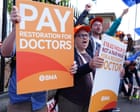
Junior Doctors Accept Government Pay Deal After NHS Strikes
A significant breakthrough has been reached in the ongoing dispute between junior doctors and England's government. The resident physicians have voted in favor of accepting a comprehensive new package addressing both compensation and employment conditions, effectively halting the industrial action that has disrupted healthcare services across the nation since the previous summer.
The junior doctors pay deal represents a substantial improvement in financial compensation for these medical professionals. Under the terms of this agreement, participating physicians will receive an average salary increase of 35.2% compared to their earnings from four years prior. This substantial raise comes as direct recognition of the prolonged negotiations and strike campaigns led by medical representatives.
Cost of Strike Action to National Health Service
The series of work stoppages undertaken by junior doctors has imposed considerable financial strain on NHS operations. Since the commencement of strike activities approximately one year ago, the healthcare system has absorbed losses estimated at £1 billion. This figure underscores the economic impact of extended industrial disputes within the healthcare sector and highlights the urgency with which both parties pursued resolution.
These financial consequences extended beyond mere accounting figures. Hospital services faced scheduling complications, procedure delays, and increased pressure on remaining staff members who continued to work during the disputed period. The combination of financial losses and operational disruptions created mounting pressure on both the government and healthcare administrators to reach an acceptable settlement.
British Medical Association's Role in Negotiations
The British Medical Association, serving as the primary representative body for medical professionals, played a crucial role in facilitating this resolution. In a strategic move earlier this month, the organization made the decision to suspend scheduled strike action at the eleventh hour. This decision proved instrumental in allowing union leadership to formally present the government's revised proposal to the broader membership for consideration and voting.
This tactical pause in industrial action demonstrated the organization's commitment to engaging in substantive negotiations while maintaining pressure on policymakers. By calling off the strike temporarily, the BMA created space for meaningful dialogue while preserving the leverage necessary to secure meaningful concessions from government negotiators.
Key Components of the Agreement
The new agreement extends beyond simple wage adjustments. The comprehensive package addresses multiple dimensions of junior doctors' employment circumstances, including job security provisions, working condition improvements, and career progression frameworks. These elements reflect broader concerns within the medical community regarding professional development and workplace sustainability.
The 35.2% pay increase represents significant progress toward addressing the financial grievances that motivated the industrial action. However, the inclusion of employment-related provisions suggests that junior doctors viewed compensation as one component of a larger set of professional concerns requiring government attention.
Return to Normal Operations
With the membership vote in favor of accepting the agreement, strike activities have officially concluded. This resolution enables the NHS to restore normal scheduling and service levels across affected facilities. Healthcare institutions can now reinitiate postponed procedures and return to standard operational protocols that were disrupted during the period of industrial action.
The agreement's acceptance marks a turning point in the relationship between medical professionals and healthcare administration. It demonstrates that despite significant disagreements and periods of conflict, resolution remains achievable through sustained negotiation and willingness from both sides to engage constructively.
Implications for Healthcare Sector
This settlement may establish precedents affecting negotiations within the broader healthcare workforce. Other medical professionals and healthcare workers may point to the junior doctors pay deal as a benchmark for their own compensation discussions. The resolution achieved here could influence future labor relations within the NHS and beyond.
Furthermore, the conclusion of this dispute allows the healthcare system to focus resources on service delivery rather than managing industrial conflict. The restoration of normal operations represents an opportunity for the NHS to address accumulated service backlogs and restore patient care schedules disrupted by the prolonged dispute.
The acceptance of the government's revised offer by junior doctors in England represents a significant milestone in healthcare labor relations. After enduring substantial financial costs and operational disruptions, the NHS can now move forward with a settled agreement addressing both compensation and employment conditions for resident physicians.