
H5 Bird Flu Arrives in Australia: What You Must Know
H5 bird flu detected in Australia with a brown skua death. Learn about virus origins, human risks, and impact on agriculture and wildlife.
H5 Bird Flu Australia: A Critical Overview
A highly contagious and potentially devastating strain known as H5 bird flu has been confirmed on the Australian mainland, marking a significant environmental and health concern for the nation. This development has prompted authorities and health experts to assess the full implications of the virus's arrival and establish comprehensive response protocols to mitigate further spread.
The Initial Detection and Confirmation
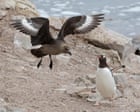
Federal Agriculture Minister Julie Collins announced the discovery during the weekend, revealing that a brown skua discovered in Western Australia succumbed to H5N1 infection. The brown skua, a wild migratory bird species, represents the first confirmed case of the virus on Australian soil, triggering immediate investigation and monitoring efforts across the country.
Understanding H5N1: Origins and Characteristics
The H5N1 virus belongs to a family of avian influenza pathogens that have circulated globally for decades. This particular strain has demonstrated remarkable adaptability, spreading across multiple continents through migratory bird populations and, in some cases, through commercial poultry networks. The virus's ability to persist in waterfowl and other bird species makes it particularly challenging to contain once established in new regions.
The emergence of H5 bird flu in Australia raises questions about the pathway of transmission. Migratory birds traveling from affected regions in Asia and beyond have likely served as the primary vector, introducing the pathogen to local wildlife populations. Scientists continue to investigate the exact timeline and origin of the virus strain detected in the Western Australian specimen.
Human Health Risk Assessment
A critical concern for public health authorities involves the potential transmission of H5N1 to human populations. Currently, direct human infection remains relatively rare, though not impossible. The virus requires close contact with infected birds or contaminated surfaces to pose a transmission risk to people. Poultry workers, wildlife handlers, and individuals in frequent contact with birds face elevated exposure levels compared to the general population.
Health officials emphasize that the risk of human-to-human transmission remains low under normal circumstances. However, continuous monitoring and surveillance protocols have been implemented to detect any emerging variants or changes in viral behavior. Australians are advised to avoid handling sick or dead birds and to report unusual bird mortality to relevant authorities.
Impact on Australia's Agricultural Sector
The discovery of H5 bird flu poses substantial risks to Australia's poultry industry, which generates significant economic value for the nation. Commercial chicken and turkey farms implement biosecurity measures designed to prevent wild bird contact and environmental contamination. These precautions become increasingly critical with confirmed H5N1 presence in the region.
Agricultural experts recommend enhanced surveillance of domestic bird populations and implementation of stricter quarantine protocols for imported poultry products. The economic implications could extend to trade restrictions, export complications, and increased production costs for compliance with heightened biosecurity standards. Industry stakeholders are coordinating with government agencies to develop strategies that balance disease prevention with operational continuity.
Wildlife and Ecosystem Consequences
Beyond agricultural concerns, H5 bird flu presents serious challenges for Australia's native wildlife populations. The brown skua death exemplifies the virus's capacity to affect wild birds in their natural habitats. Various species, particularly waterfowl and seabirds, demonstrate heightened vulnerability to H5N1 infection, with mortality rates varying depending on species-specific immunological factors.
Conservation experts warn that the virus could impact already vulnerable bird populations, particularly endangered species with limited genetic diversity or restricted geographic ranges. The potential for widespread wildlife mortality necessitates comprehensive research into prevalence rates, species susceptibility, and long-term ecological consequences. Monitoring programs have been expanded to track virus distribution across Australian ecosystems.
Government Response and Public Information
Australian authorities have activated contingency planning mechanisms and established coordination between federal and state agencies to manage the H5 bird flu situation. Communication strategies emphasize public education regarding proper hygiene practices, appropriate reporting of sick birds, and the importance of biosecurity compliance in agricultural settings.
Residents are encouraged to maintain distance from wild birds, particularly those displaying signs of illness or unusual behavior. Reporting dead birds to local environmental or agricultural authorities enables rapid response and epidemiological investigation. Transparent information dissemination helps prevent misinformation while maintaining public awareness of genuine risks.
Looking Forward: Monitoring and Prevention
The confirmation of H5 bird flu in Australia marks a watershed moment for disease surveillance and wildlife management. Ongoing monitoring initiatives will track the virus's spread, identify affected species, and assess population-level impacts. Research efforts aim to understand H5N1 behavior within Australian ecosystems and develop targeted intervention strategies if necessary.
Prevention remains the paramount concern, with emphasis placed on maintaining strict biosecurity standards across agricultural operations and encouraging responsible wildlife interaction practices among the general population. The long-term management of H5 bird flu in Australia will require sustained vigilance, scientific research, and coordinated inter-agency cooperation to protect both human health and wildlife conservation objectives.