
Germany Reconsiders Coal Energy Amid Natural Gas Price Crisis
Germany may reverse coal phase-out plans as natural gas costs surge. Explore how energy security concerns are reshaping Germany's power generation strategy and climate goals.
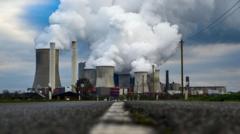
Germany Coal Energy Strategy Under Review
Germany is facing a critical juncture in its approach to coal energy as mounting pressures from volatile natural gas markets challenge long-standing climate commitments. The nation's previous trajectory toward eliminating coal-powered electricity generation is being reconsidered in light of unprecedented energy costs and supply concerns that have fundamentally altered the country's power generation landscape.
For years, Germany coal energy represented the old industrial paradigm that policymakers sought to abandon. The country had established clear targets for phasing out coal-fired power stations, aligning with broader European Union decarbonization objectives and climate protection mandates. However, the dramatic escalation in natural gas expenses has forced energy officials and government leaders to reassess this strategic direction.
Natural Gas Price Escalation Impact
The surge in natural gas prices Germany has experienced reflects broader geopolitical and economic disruptions that ripple through Europe's energy infrastructure. When natural gas becomes economically unviable as a primary energy source, policymakers must confront uncomfortable realities about energy security and cost management. This situation has prompted serious discussions about the viability of maintaining the coal phase-out timeline originally scheduled.
The financial burden on households and industries intensified considerably once natural gas prices reached levels previously considered unrealistic. Germany's economy, heavily dependent on affordable and reliable energy, faced mounting pressure from both businesses and citizens concerned about affordability and supply stability. These circumstances created unexpected urgency around reassessing available energy resources, including coal power plants that were slated for retirement.
Energy Security Versus Climate Goals
The tension between maintaining climate commitments and ensuring energy security represents one of contemporary Europe's most pressing policy dilemmas. Germany's situation exemplifies how external shocks can disrupt carefully calibrated energy transitions. When natural gas supply becomes unreliable or prohibitively expensive, coal electricity generation emerges as a potential stopgap solution, despite its well-documented environmental consequences.
Previous plans presumed that renewable energy expansion and nuclear power would sufficiently compensate for coal capacity reduction. These calculations assumed natural gas would serve as a stable bridge fuel during the transition period. The actual market conditions diverged substantially from these projections, creating vulnerability in Germany's energy system and forcing policymakers to consider alternatives previously deemed unacceptable.
Coal Power Plants and Infrastructure Decisions
Several coal power plants across Germany that were designated for decommissioning have suddenly acquired new relevance within energy planning discussions. These facilities represent substantial capital investments and established infrastructure that could theoretically be preserved or maintained on standby status. Extending their operational timeline would require policy reversals and technical assessments regarding their continued functionality and environmental compliance.
The calculus involves weighing the costs of maintaining dormant coal capacity against the immediate expenses of sourcing expensive natural gas. For industrial consumers and regional utilities responsible for power distribution, this economic equation has become significantly more favorable toward preserving coal options than circumstances permitted just months earlier.
International Energy Market Dynamics
Germany's predicament reflects how interconnected international energy markets amplify vulnerabilities within individual national systems. Supply disruptions, geopolitical tensions, and commodity speculation collectively drove natural gas costs to unprecedented levels, triggering reassessments across multiple European countries simultaneously. This phenomenon demonstrated that energy independence requires diversified sourcing strategies rather than reliance on single fuel types or suppliers.
The broader European context shows various nations grappling with similar pressures, though responses vary based on existing infrastructure, renewable capacity, and political commitments. Germany's prominent economic position and previously stated climate leadership created particular scrutiny around any perceived backtracking from environmental objectives.
Future Energy Policy Direction
Moving forward, Germany faces complex decisions about balancing pragmatic energy management with long-term sustainability objectives. Policymakers must determine whether coal represents a temporary emergency measure or signals fundamental recalibration of decarbonization timelines. The resolution will likely involve hybrid approaches incorporating accelerated renewable development, strategic gas infrastructure improvements, and potentially extended coal operation under strict environmental parameters.
This situation underscores that successful energy transitions require robust planning for contingencies and flexibility in implementation strategies. Germany's experience demonstrates that climate ambitions, while essential, must coexist with practical considerations regarding energy security, affordability, and industrial competitiveness. How the nation navigates these competing priorities will significantly influence Europe's broader energy future.