
Infantino Apologizes for Errors Yet Remains FIFA President
FIFA president Gianni Infantino apologizes for controversial investment decisions but retains leadership position with executive support. Learn more about his future plans.
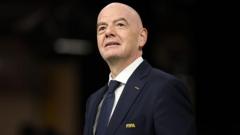
FIFA President Infantino Retains Position Despite Investment Controversy
Gianni Infantino has secured continued leadership at FIFA following a significant vote of confidence from the organization's senior executives. The FIFA president Infantino decision comes after months of scrutiny surrounding his involvement in contested private investment initiatives that drew widespread criticism from stakeholders and football authorities worldwide.
Infantino Acknowledges Missteps in Investment Strategy
During a formal statement to FIFA's governing body, Infantino expressed his sincere regret regarding the execution of certain aspects within his investment portfolio. The FIFA president acknowledged that specific decisions were poorly communicated and lacked adequate transparency with relevant parties. His apology centered on the methodology and disclosure processes rather than the fundamental investment philosophy itself.
Understanding the Controversy
The controversy surrounding FIFA president Infantino emerged when details of his personal investment activities became public knowledge. Questions arose about potential conflicts of interest and whether his business dealings aligned with FIFA's governance standards and ethical guidelines. Many football federations and international observers called for increased scrutiny of executive financial activities within the global football administration.
Executive Support Strengthens Infantino's Position
Despite the mounting pressure, senior FIFA executives voted to maintain confidence in Infantino's continued presidency. This backing from influential decision-makers suggests that a majority within FIFA's hierarchy believes the organization benefits from his continued leadership. The support demonstrates that internal factions view his experience and strategic vision as valuable assets for steering FIFA through ongoing challenges.
What the Vote of Confidence Means
The executive endorsement signals that FIFA intends to move forward rather than pursue disciplinary measures against its president. This approach reflects a desire within the organization to maintain stability and continuity in leadership during a period of institutional development and global expansion initiatives.
Future Direction and Accountability Measures
Going forward, FIFA president Infantino has committed to implementing enhanced oversight mechanisms regarding executive investments. These measures aim to prevent similar situations and establish clearer guidelines for personal financial activities by high-ranking officials. The organization plans to establish independent review processes for monitoring such activities in the future.
Rebuilding Trust and Credibility
The apology from Infantino represents an attempt to rebuild institutional trust that was damaged by the investment controversy. By acknowledging errors while retaining his position, he has signaled both accountability and confidence in his ability to lead FIFA forward. The FIFA president's approach balances taking responsibility while avoiding complete capitulation to critics demanding his removal.
Implications for FIFA's Governance Structure
This outcome may prompt broader conversations about governance reforms within FIFA. The controversy has highlighted gaps in existing oversight procedures and accountability mechanisms. Organizations and stakeholders are likely to demand more robust checks and balances for executive-level decision-making going forward.
The retention of Infantino as FIFA president represents a decisive moment for the organization's trajectory. While critics view the decision as insufficient accountability, supporters argue that maintaining leadership continuity allows FIFA to address systemic issues without the disruption of a transition period. The next chapters of Infantino's presidency will likely reveal whether this approach successfully restores confidence in FIFA's governance structure and administrative practices.