
Deadly Nepal-Tibet Floods: Death Toll and Missing Updates
Hundreds dead or missing after catastrophic flooding and landslides struck Nepal-Tibet border Wednesday. Latest updates on the disaster.
Catastrophic Flooding Event on Nepal-Tibet Border
A devastating disaster struck the Nepal-Tibet border region on Wednesday, when severe Nepal-Tibet floods claimed numerous lives and left hundreds missing. The combination of intense flooding and triggered landslides created a catastrophic situation across affected communities, marking one of the region's most serious natural disasters in recent years.
Scale of Destruction and Casualties
The flooding event resulted in significant loss of life, with hundreds of individuals reported deceased or unaccounted for in the immediate aftermath. Search and rescue operations began immediately as emergency services mobilized across the border regions to locate missing persons and provide humanitarian assistance to survivors.
Confirmed Deaths and Missing Persons
Official reports confirmed that the casualties extended into the hundreds, though exact figures continued to evolve as rescue teams worked through affected areas. The missing persons count remained substantial, with teams systematically searching through debris and damaged infrastructure to locate individuals swept away by the torrential waters.
Geographic Impact Zone
The disaster primarily affected communities situated directly on the Nepal-Tibet border, where geographical characteristics and proximity to water sources made the region particularly vulnerable to flash flooding and secondary landslides. Multiple villages and settlements experienced severe damage to infrastructure, homes, and essential services.
Landslides Compound the Flooding Crisis
Beyond the primary flooding, numerous landslides were triggered throughout the affected zone. These secondary disasters blocked roads, destroyed communication lines, and further complicated rescue and relief efforts. Rescue teams faced extraordinary challenges accessing remote communities isolated by collapsed terrain and debris-clogged pathways.
Cascading Natural Disasters
The combination of flooding and landslides created a compounding disaster scenario. Heavy rainfall destabilized slopes already weakened by water saturation, causing earth movements that further devastated settlements and blocked transportation corridors essential for emergency response.
Emergency Response Operations
Both Nepali and Tibetan authorities coordinated response efforts to address the humanitarian emergency. International aid organizations and neighboring countries offered assistance as rescue teams worked in challenging conditions to reach stranded populations and recover bodies.
Rescue and Relief Efforts
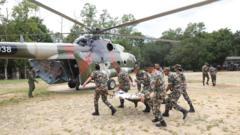
Emergency personnel deployed helicopters, boats, and ground teams to navigate the disaster zone. Medical facilities treated injured survivors, while temporary shelters accommodated displaced persons who lost homes in the floods and landslides.
Infrastructure and Environmental Damage
The natural disaster inflicted severe damage on regional infrastructure including roads, bridges, water systems, and power facilities. Agricultural lands were submerged or buried under debris, threatening food security for affected populations. Environmental assessments revealed significant ecological damage across the impacted watershed.
Long-Term Recovery Challenges
Reconstruction efforts would require extensive resources and time. Water quality concerns emerged as contamination spread through displaced debris and damaged sanitation systems. Communities faced months of recovery work to restore basic services and rebuild destroyed structures.
Regional Vulnerability and Climate Factors
The Nepal-Tibet border region's mountainous terrain, combined with monsoonal rainfall patterns, creates recurring flood risks. Climate conditions during the disaster period brought unusually intense precipitation that exceeded historical rainfall records for the season, overwhelming drainage systems and triggering the catastrophic events.
Monsoon Season Concerns
The flooding occurred during Asia's monsoon season, when heavy rains regularly affect Himalayan regions. Experts noted that climate change patterns may be intensifying precipitation events, increasing disaster frequency and severity in these vulnerable mountain communities.
Ongoing Situation and Updates
As rescue operations continued, authorities maintained search efforts in areas with reported missing persons. The scale of the disaster ensured that recovery operations would extend far beyond the initial emergency response phase, requiring sustained international and regional cooperation.