
Burnham Pledges Cost Relief Plan as PM Candidate
Andy Burnham promises cost of living relief through business rates cuts, energy de-privatisation, and free youth bus travel in potential PM bid.
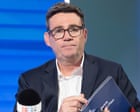
Burnham Outlines Cost of Living Relief Strategy
Andy Burnham has unveiled an ambitious cost of living relief initiative, positioning himself as a candidate ready to address economic pressures facing British households. The Makerfield MP outlined his comprehensive approach during a recent interview on LBC Radio, detailing specific measures designed to reduce financial strain on families and support struggling businesses across the nation.
The proposed cost of living relief package represents a significant policy shift, combining interventions across multiple sectors of the economy. Burnham's strategy demonstrates a multi-faceted approach to tackling the interconnected challenges of housing affordability, energy costs, and transportation expenses that continue to burden working families.
Business Rates and High Street Support
Central to Burnham's cost of living relief plan is a commitment to review and potentially reduce business rates for selected high street retailers. This measure aims to alleviate the operational burden on smaller commercial enterprises that have faced mounting pressure from rising property taxes and evolving consumer shopping patterns. By reducing business rates, Burnham argues that retailers could reinvest savings into their communities, maintain employment levels, and preserve the character of town centers across the country.
The reduction in business rates forms part of a broader strategy to revitalize struggling high streets and protect independent businesses from closure. This approach acknowledges the critical role these enterprises play in local economies and community cohesion, particularly in areas that have experienced significant economic change over recent years.
Energy and Water Cost Reduction Through De-privatisation
A cornerstone of Burnham's cost of living relief agenda involves de-privatising essential utilities, specifically water and energy companies. This controversial proposal suggests that bringing these vital services back under public control could substantially reduce consumer costs. The rationale behind this initiative centers on eliminating profit margins charged by private operators and redirecting revenues toward infrastructure investment and consumer bill reductions.
De-privatisation represents a transformative approach to utility management, fundamentally challenging the current market-based system that has dominated for decades. Burnham contends that public ownership would enable more transparent pricing structures and enable utilities to prioritize affordability alongside environmental sustainability objectives. This strategy directly addresses one of the most significant household expenditure categories and offers the potential for immediate financial relief to millions of consumers.
Free Public Transport for Young People
The cost of living relief package includes a commitment to provide free bus travel for young people aged 16 to 18 years old. This initiative targets a demographic facing particular economic vulnerability while simultaneously promoting sustainable transportation usage among emerging adults. By removing transportation costs as a barrier to mobility, the policy aims to improve access to employment opportunities, educational facilities, and social participation.
Free youth bus travel constitutes an investment in social mobility and environmental goals simultaneously. The scheme recognizes that transportation expenses represent a meaningful burden for young people and their families, particularly in areas with limited employment opportunities in close proximity to residential communities. This measure could facilitate increased workforce participation among teenagers and reduce reliance on private vehicles.
Additional Considerations in the Relief Strategy
Beyond the primary components, Burnham has indicated willingness to explore additional cost of living relief measures, including the potential implementation of a freeze on private rental rates. This potential policy would address housing affordability, a critical factor contributing to broader cost of living pressures. A rental freeze would protect tenants from sudden increases in housing costs while potentially stabilizing residential property markets.
The comprehensive nature of Burnham's cost of living relief platform suggests a recognition that economic pressures stem from multiple sources requiring coordinated responses. Rather than implementing isolated interventions, his approach attempts to create synergistic effects across different policy areas, with each measure reinforcing others in delivering tangible economic relief.
Political Context and Implementation Timeline
These cost of living relief commitments emerge as Burnham positions himself within anticipated political developments scheduled for later this month. The timing of these policy announcements reflects strategic political positioning while addressing genuine public concerns regarding household finances and economic inequality. The specific measures outlined have generated substantial discussion within political circles regarding their feasibility, funding mechanisms, and potential economic consequences.
The cost of living relief initiative demonstrates Burnham's intent to place economic justice and affordability at the center of his political platform. By addressing interconnected economic pressures through targeted interventions across utilities, retail support, and youth services, the proposed strategy attempts to create meaningful improvements in household finances and community economic vitality.