
Andy Burnham Steps Into Leadership as Starmer Resigns
Andy Burnham is set to become UK Prime Minister following Keir Starmer's resignation. Discover the leadership transition and Burnham's policy priorities.
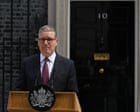
Burnham Positioned to Lead Following Starmer's Departure
Andy Burnham, the newly elected Member of Parliament for Makerfield, stands poised to assume the role of UK Prime Minister after Keir Starmer announced his resignation from the position. The former Greater Manchester mayor's ascent to Britain's highest political office comes as Starmer acknowledged he no longer represents the right choice to guide the nation through its current challenges.
The resignation of Starmer as Prime Minister marks a significant turning point in Labour Party politics, triggered by mounting pressure from backbench MPs and senior cabinet figures who expressed serious reservations about the government's direction. Growing concerns regarding competition from Reform UK ahead of the next general election intensified calls for change across Westminster.
A Week of Extraordinary Political Developments
The political landscape shifted dramatically when Starmer publicly conceded defeat and outlined a structured timeline for his departure from 10 Downing Street. This development represents an extraordinary sequence of events at Westminster, reflecting deep divisions within the Labour administration that had been building for an extended period.
Multiple cabinet ministers and Labour legislators had grown increasingly uneasy about the government's positioning and electoral prospects. The mounting discontent created an untenable situation for Starmer's continued leadership, ultimately forcing his hand on the matter of succession planning.
Burnham's Policy Vision and Strategic Direction
As the likely successor, Andy Burnham has already begun preparing his agenda for transforming the government's approach. He will unveil a comprehensive policy framework through a series of major speeches commencing the following week, emphasizing a deliberate departure from Starmer's governing philosophy.
Economic policy and devolution arrangements will form the cornerstone of Burnham's initial policy rollout. These addresses will demonstrate tangible differences in approach and priorities compared to the outgoing administration, signaling renewed focus on regional development and fiscal strategy.
Cabinet Appointments and Strategic Considerations
Burnham is deliberating the appointment of Ed Miliband to the position of Chancellor of the Exchequer, a move designed to fundamentally challenge conventional Treasury thinking. However, no final determination has been reached regarding this potentially transformative decision.
Sources close to Burnham's transition team indicate awareness of significant risks associated with appointing Miliband. Both business interests and trade unions have expressed concerns about this prospective appointment, though Burnham may proceed with the move while making a persuasive case to stakeholders about the necessity for policy innovation.
Home Office and Additional Cabinet Positions
Shabana Mahmood is anticipated to retain her position as Home Secretary, particularly given Burnham's demonstrated support for her handling of immigration matters during recent campaign activities. The former Manchester mayor previously commended Mahmood for directly confronting major issues surrounding immigration policy.
Wes Streeting emerges as a potential candidate for appointment to a prominent cabinet position. However, campaign insiders have dismissed claims that Streeting brought significant political leverage to discussions about his role, rejecting his assertions concerning accumulated parliamentary support for an alternative candidacy.
Opposition Candidates Under Consideration
Despite Burnham's commanding position, Starmer loyalists continue exploring possibilities for fielding a rival candidate in leadership contests, contingent upon decisions regarding Ed Miliband's appointment status. Darren Jones has been mentioned as a potential challenger to Burnham's assumed ascension.
While sources suggested Jones was not actively organizing a formal leadership campaign, they declined to definitively rule out such involvement. This ambiguity reflects the fluid nature of internal Labour discussions during this transitional period.
The Path Forward for British Leadership
Andy Burnham's impending assumption of the Prime Minister role represents a watershed moment for British politics and the Labour Party specifically. His policy agenda, cabinet selections, and strategic vision will determine whether his leadership successfully addresses the concerns that precipitated Starmer's departure and stabilizes the government's position with the electorate.
The coming weeks will prove crucial as Burnham articulates his vision for economic management, regional development, and immigration policy. His success in building a cohesive cabinet and implementing substantive policy changes will shape not only Labour's electoral prospects but the broader trajectory of British governance during this period of significant political transition and renewal.