
Bolivia's President Declares Emergency Following Weeks of Unrest
Bolivia's president declares state of emergency amid anti-government protests causing shortages. Read the latest developments in this critical situation affecting the nation.
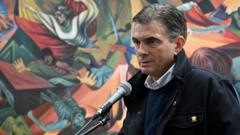
Bolivia's President Declares State of Emergency
Bolivia's president has declared a state of emergency in response to escalating tensions across the country. The declaration of Bolivia state of emergency represents a significant escalation in the ongoing political crisis, following sustained anti-government protests that have disrupted daily life for millions of citizens.
The situation in Bolivia has deteriorated considerably over recent weeks, with demonstrators taking to the streets to voice their dissatisfaction with government policies and economic management. These protests have evolved from isolated incidents into a nationwide movement that has captured international attention and raised concerns about political stability in the South American nation.
Impact of Anti-Government Protests
The anti-government protests Bolivia has witnessed have created severe disruptions to the country's supply chains and economic infrastructure. Basic goods including food, fuel, and medical supplies have become increasingly difficult to obtain as transportation routes face blockades and commercial activities come to a standstill in key regions.
Citizens across Bolivia have reported long queues at stores and pharmacies, with many essential items either unavailable or available only in limited quantities. The shortage of basic goods has compounded public frustration and contributed to the growing momentum of protest movements, creating a cyclical pattern of civil unrest and economic strain.
Government Response and Emergency Measures
In declaring the state of emergency, the presidential administration aims to address the deteriorating conditions and restore order in affected areas. The declaration grants the government expanded powers to mobilize resources and implement measures intended to ease the supply crisis and restore normalcy to daily operations.
This action represents one of the most significant government interventions in recent months, reflecting the severity of the crisis. Officials have indicated that emergency measures will focus on reopening supply routes, ensuring the distribution of essential commodities, and maintaining public safety during this period of heightened tension.
Broader Context of Bolivia's Political Climate
The current situation represents a culmination of mounting grievances among Bolivia's population. Long-standing discontent over economic policies, inflation, and governance issues has fueled the protests, with various groups and organizations joining the movement to demand policy changes and political accountability.
The declaration of Bolivia state of emergency highlights the intensity of the political divisions within the country and the challenges facing the administration in managing diverse demands from its citizenry. International observers have closely monitored developments, emphasizing the importance of dialogue and peaceful resolution to the ongoing crisis.
Supply Chain Disruptions and Economic Consequences
The shortage of basic goods has emerged as one of the most visible consequences of the unrest, affecting ordinary citizens and businesses alike. Hospitals report difficulties in obtaining medical supplies, schools face disruptions, and small business owners struggle to maintain operations amid uncertainty and supply constraints.
Economic analysts warn that prolonged disruption could have lasting effects on Bolivia's economy, potentially affecting employment, investment, and growth prospects. The government's emergency declaration includes provisions aimed at jumpstarting economic activity and preventing further deterioration of business conditions throughout the nation.
Path Forward and Resolution Efforts
Stakeholders have called for dialogue between the government and protest leaders to address underlying concerns and find sustainable solutions. The state of emergency declaration, while addressing immediate public order concerns, must be complemented by broader efforts to address the substantive grievances driving civil unrest.
As Bolivia navigates this critical period, attention focuses on how authorities will balance emergency measures with respect for civil liberties, and whether political dialogue can help resolve the fundamental issues underlying the current crisis. The coming weeks will be crucial in determining whether the situation stabilizes or continues to escalate, with implications for the entire nation and its democratic institutions.