
Advanced Microscope Technology Offers Hope for Crohn's Disease Treatment
Researchers unveil cutting-edge microscope technology operating at 10x conventional resolution, promising breakthrough discoveries in Crohn's disease and inflammatory bowel disease treatment options.
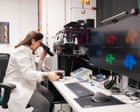
Revolutionary Microscope Technology Transforms Crohn's Disease Research
Scientists and medical researchers have announced a groundbreaking advancement in microscopy that could fundamentally change how experts approach Crohn's disease and other inflammatory bowel conditions. The newly developed imaging system, known as 'Curie,' represents a significant leap forward in diagnostic and research capabilities, operating at ten times the resolution of traditional microscopy methods. This technological breakthrough offers genuine hope for millions of patients worldwide who suffer from debilitating gastrointestinal disorders, particularly in younger demographics where these conditions are becoming increasingly prevalent.
Understanding the Scale of Inflammatory Bowel Disease
The global burden of Crohn's disease and related inflammatory conditions continues to escalate at an alarming rate. According to the British Society of Gastroenterology, the United Kingdom alone has more than half a million individuals currently living with inflammatory bowel disease (IBD). This encompasses two primary manifestations: Crohn's disease and ulcerative colitis, both of which significantly impact quality of life, work productivity, and long-term health outcomes. The rising incidence among younger populations has prompted urgent calls for innovative research solutions and therapeutic interventions.
How Advanced Microscopy Enables Scientific Discovery
Traditional microscopy technology has inherent limitations that restrict researchers' ability to observe cellular and molecular changes associated with Crohn's disease at sufficient detail. The 'Curie' microscope overcomes these constraints through revolutionary optical engineering and imaging protocols. By achieving tenfold magnification improvements over conventional systems, researchers can now visualize previously invisible biological mechanisms that contribute to disease progression. This enhanced visualization capacity enables scientists to identify the specific cellular abnormalities, immune responses, and tissue degradation patterns underlying inflammatory bowel disease, creating pathways toward targeted therapeutic development.
The Path to Finding Root Causes
Understanding the fundamental etiology of Crohn's disease remains one of modern medicine's most persistent challenges. Despite decades of research, the exact mechanisms triggering and sustaining these inflammatory conditions remain incompletely understood. The advanced microscope technology promises to illuminate these obscure causative factors by enabling researchers to examine intestinal tissue samples and immune cell interactions with unprecedented clarity. By identifying the root causes of inflammatory bowel disease at the molecular level, scientists can develop interventions that address disease mechanisms rather than merely managing symptoms, potentially leading to curative rather than palliative treatments.
Implications for Future Treatment Development
The introduction of this sophisticated imaging technology carries profound implications for pharmaceutical and clinical research directed at Crohn's disease. Current treatment approaches rely heavily on immunosuppressive medications and biological therapies that manage inflammation but do not address underlying disease mechanisms. The detailed cellular observations made possible by the 'Curie' microscope could identify novel drug targets, illuminate resistance mechanisms to existing therapies, and reveal why certain patients respond differently to identical treatment protocols. This personalized medicine approach, informed by advanced microscopy insights, could revolutionize inflammatory bowel disease management across diverse patient populations.
Accelerating Clinical Innovation and Patient Outcomes
Research institutions and pharmaceutical companies are already collaborating with developers of this advanced microscopy platform to accelerate discovery initiatives focused on Crohn's disease and ulcerative colitis. The enhanced visualization capabilities enable rapid screening of potential therapeutic compounds, assessment of tissue healing responses, and evaluation of immune system interactions with unprecedented precision. These capabilities compress research timelines significantly, potentially bringing new treatments for inflammatory bowel disease from laboratory discovery to clinical trials faster than previously possible. The ultimate beneficiaries of this technological advancement will be the millions of patients worldwide suffering from these incurable conditions, who may finally access more effective therapeutic options.
Global Research Momentum and Investment
The enthusiasm surrounding this advanced microscopy breakthrough has galvanized research funding and institutional commitment to inflammatory bowel disease investigation. Medical centers, universities, and private research organizations are prioritizing access to this technology, recognizing its transformative potential for understanding Crohn's disease and related disorders. International collaboration efforts are strengthening as researchers share findings and methodologies, creating a dynamic research ecosystem focused on solving one of gastroenterology's most pressing clinical challenges. This collective momentum suggests that meaningful advances in Crohn's disease treatment may emerge within the coming years, offering genuine hope to patients currently living with these debilitating conditions.