
UK Emergency Stockpile Alert Drives Bottled Water Sales
UK government emergency stockpile advice sparks surge in bottled water, tinned food, and survival gear purchases among households nationwide.
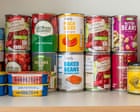
Bottled Water Sales Surge Following Government Emergency Guidance
Retailers across the United Kingdom are experiencing unprecedented demand for bottled water and emergency supplies following official government recommendations for households to prepare for potential crises. The surge in bottled water sales represents a significant shift in consumer purchasing patterns as families respond to guidance encouraging emergency preparedness for threats including severe weather events and cyber-attacks.
The Be Ready campaign, launched by UK authorities, has prompted millions of residents to stockpile essential items designed to sustain households for up to 72 hours during emergencies. This initiative has fundamentally altered retail landscapes, with major supermarket chains and specialty retailers reporting dramatic increases in inventory movement across multiple product categories.
What Consumers Are Buying: Beyond Bottled Water
While bottled water sales represent the most visible indicator of emergency preparation, the purchasing surge extends far beyond hydration needs. Retailers confirm that tinned food products have experienced comparable demand increases, with particularly strong sales in shelf-stable proteins, vegetables, and goods requiring no refrigeration or cooking facilities.
The emergency supplies category has expanded to include wind-up radios, essential for receiving updates during infrastructure disruptions or power outages. Torches and flashlights, offering reliable illumination independent of electrical grids, constitute another major growth area. These items provide households with communication capabilities and visibility during scenarios where conventional utilities become unavailable.
Understanding the Be Ready Campaign
The government's Be Ready campaign represents a coordinated effort to enhance national resilience against multiple threat vectors. The initiative acknowledges that households may face emergencies ranging from natural disasters to man-made infrastructure failures, including potential cyber-attacks targeting critical systems. By encouraging families to maintain 72-hour emergency supplies, authorities aim to reduce dependency on stretched public services during crisis situations.
This 72-hour threshold reflects public health and emergency management research indicating that most households require this timeframe before full infrastructure restoration or emergency services deployment. The campaign messaging emphasizes personal and family preparedness, encouraging citizens to assume individual responsibility for their immediate needs during emergencies.
Retail Response to Bottled Water Demand Surge
Supermarket chains, convenience stores, and specialist survival retailers report stock management challenges as bottled water sales accelerate beyond previous forecasts. Distribution networks are being tested by unprecedented order volumes, with some retailers implementing purchase limits on popular items to ensure equitable access across customer bases.
Major retailers have responded by increasing procurement from suppliers, adjusting warehouse inventory levels, and expanding shelf space dedicated to emergency supplies. This retail repositioning reflects confidence that heightened emergency awareness will sustain demand beyond initial campaign publicity.
Consumer Preparedness and Emergency Readiness
The campaign has successfully translating government guidance into concrete consumer action. Families are actively reviewing their emergency preparedness levels and investing in supplies previously considered unnecessary or premature. This represents a significant cultural shift toward proactive household risk management.
Beyond bottled water and tinned foods, consumers are purchasing first-aid supplies, batteries, multi-tools, and other items supporting 72-hour self-sufficiency. This comprehensive approach suggests households are interpreting government messaging seriously and preparing for genuinely disrupted scenarios.
Market Analysis and Future Implications
The bottled water sales surge indicates market receptiveness to government preparedness messaging. Industry analysts expect sustained elevated demand regardless of whether specific threat scenarios materialize, as households maintain minimum emergency stock levels going forward.
This shift may permanently alter baseline demand patterns for emergency-related products. Retailers are adapting inventory systems to accommodate consistently higher stock levels of bottled water, tinned foods, and emergency supplies, suggesting permanent structural changes to supply chains and warehouse management practices.