
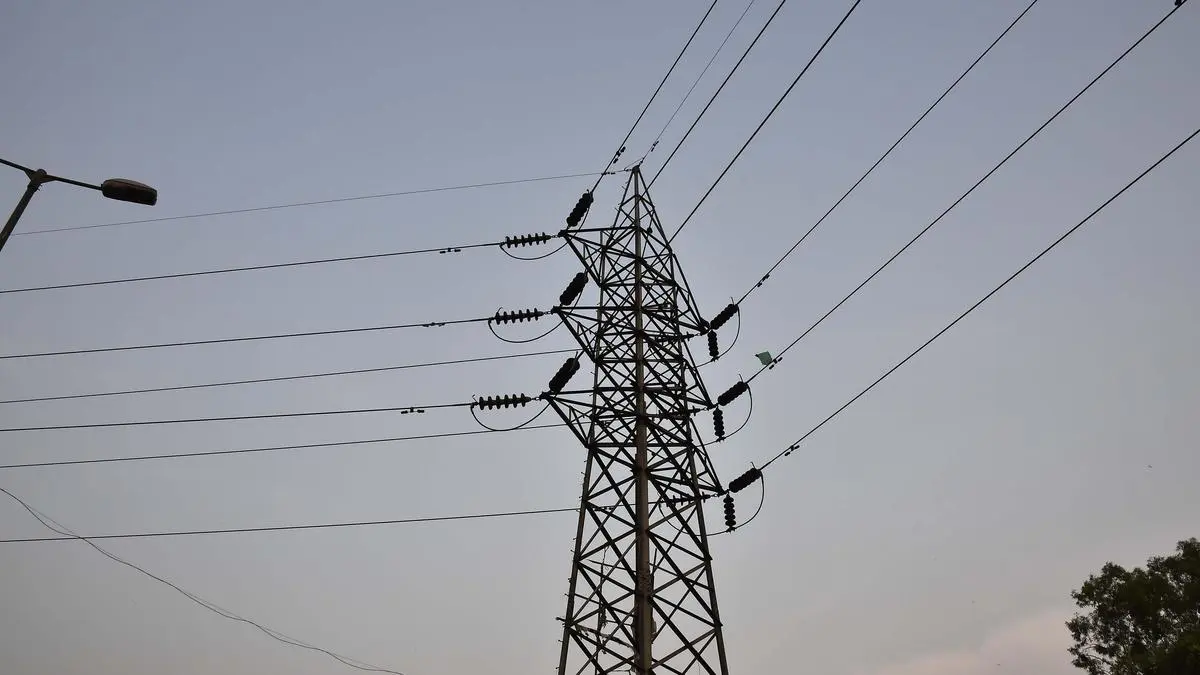
The monsoon season, which runs from June to September, is a much-awaited time in many parts of the world. It brings relief from scorching heat and rejuvenates the environment with its life-giving rains. This year, besides providing a much-needed respite from the summer heat, the monsoon season has also brought another positive impact – a decrease in electricity demand.
The months of June to September are typically hot and humid, leading to a surge in electricity usage for cooling purposes. However, this year, the monsoon season has brought heavy and widespread rains, resulting in cooler temperatures. As a result, the demand for electricity has significantly reduced in many parts of the country.
The decrease in electricity demand during the monsoon season can be attributed to several factors. Firstly, the rains bring down the temperature, making it more comfortable for people to stay without air conditioning. This has led to a decrease in the usage of air conditioners, which are known to consume a significant amount of electricity. As a result, the demand for electricity has reduced, leading to a decrease in power outages and load shedding.
Secondly, the monsoon season has also resulted in an increase in the availability of water for hydroelectric power generation. The heavy rains have replenished the water levels in dams and reservoirs, which are used to generate electricity. This has led to an increase in the supply of electricity, making it more accessible and affordable for consumers.
Moreover, the monsoon season has also brought relief to the agricultural sector, which is a significant consumer of electricity. The rains have helped in irrigating the fields, reducing the need for electric pumps. This has further contributed to the decrease in electricity demand and has also resulted in cost savings for farmers.
The decrease in electricity demand during the monsoon season has not only brought relief to the consumers but has also had a positive impact on the environment. The reduced usage of electricity has resulted in a decrease in carbon emissions, which is beneficial for the environment. The heavy rains have also helped in replenishing groundwater levels, which are crucial for the sustainability of the environment.
Furthermore, the decrease in electricity demand during the monsoon season has also had a positive impact on the economy. With the decrease in electricity usage, the burden on power plants has reduced, resulting in cost savings for the government. This has also led to a decrease in the cost of electricity, making it more affordable for consumers.
In addition to the decrease in electricity demand, the monsoon season has also brought other positive impacts. The heavy and widespread rains have helped in replenishing water bodies, which are crucial for agriculture, drinking, and other purposes. The increased water levels have also provided relief to areas facing water scarcity, reducing the need for water tankers and other resources.
The monsoon season is a reminder of the power and beauty of nature. It not only brings relief from the summer heat but also has a positive impact on various aspects of our lives. The decrease in electricity demand during this season is one such positive impact, which has brought relief to both consumers and the environment.
In conclusion, the June to September monsoon season has not only witnessed heavy and widespread rains but has also brought a decrease in electricity demand. This has had a positive impact on the environment, the economy, and the lives of people. As we continue to enjoy the monsoon season, let us also appreciate the positive impact it has on our lives and strive to preserve and protect our environment for future generations.