
Why Critical Tech Infrastructure Faces Heat Vulnerability
Discover why crucial tech infrastructure including energy grids and train services faces significant risks during extreme heat conditions and their impact.
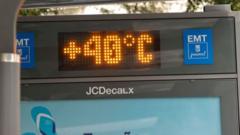
Tech Infrastructure Heat Vulnerability: A Growing Concern
Tech infrastructure heat vulnerability represents one of the most pressing challenges facing modern society as global temperatures continue to rise. Critical systems including energy grids and train services face unprecedented risks during extreme heat conditions, threatening the reliability of essential services that millions of people depend on daily.
Understanding Energy Grid Vulnerabilities
Power distribution networks constitute the backbone of modern civilization, yet their capacity becomes severely compromised during prolonged heat waves. Energy grids operate with carefully calibrated components designed to function within specific temperature ranges, and when ambient conditions exceed these thresholds, performance degradation becomes inevitable. Transformers, cables, and switching equipment all experience reduced efficiency as temperatures climb, forcing operators to reduce capacity to prevent equipment damage.
The tech infrastructure heat vulnerability affecting electrical systems manifests through multiple pathways. Cooling water for generation facilities becomes scarce or too warm for effective heat exchange, reducing output capacity precisely when demand for air conditioning reaches peak levels. Underground cables expand under extreme heat, creating dangerous stress points, while overhead transmission lines sag, increasing the risk of contact with vegetation and ground hazards.
Rail Transportation Under Thermal Stress
Train services encounter distinct challenges when subjected to extreme temperatures, with rail infrastructure experiencing unique vulnerabilities. Steel tracks expand significantly during heat waves, and without proper expansion joints and monitoring systems, rail buckling can occur, potentially derailing trains and endangering passengers.
Beyond track expansion, tech infrastructure heat vulnerability in railway systems affects signaling equipment, power supplies for electric trains, and switching mechanisms. Modern trains depend on sophisticated electronic systems that malfunction when operating outside designed temperature parameters. Cooling systems for rail yards and maintenance facilities may become overwhelmed, leading to service interruptions and reduced frequency operations.
Cascading Effects on Critical Services
The relationship between extreme weather and infrastructure failure creates dangerous cascading effects throughout interconnected systems. When energy grids experience capacity reductions during peak heat, hospitals, water treatment facilities, and emergency services face potential disruptions. Train services failures impact public transportation networks, forcing commuters toward personal vehicles, which further strains electrical capacity.
Tech infrastructure heat vulnerability becomes particularly acute in urban areas where urban heat islands intensify ambient temperatures several degrees above surrounding regions. Cities with high concentrations of data centers, communication networks, and power distribution equipment face compounded risks, as cooling requirements become exponentially more demanding.
Data Center and Communication Network Risks
Beyond traditional utility infrastructure, data centers supporting cloud computing, telecommunications, and internet services face severe vulnerability to extreme heat conditions. These facilities house thousands of servers consuming massive amounts of electricity for both computation and cooling. During heat waves, cooling system capacity becomes saturated, forcing some data centers to throttle operations or temporarily shut down servers, disrupting digital services relied upon by billions of users worldwide.
Telecommunications infrastructure depends on equipment operating within strict temperature ranges. Network switches, routers, and transmission equipment suffer shortened lifespans and increased failure rates when exposed to sustained high temperatures. The tech infrastructure heat vulnerability affecting communication systems can disrupt emergency response, financial transactions, and essential information flow.
Adaptive Measures and Future Solutions
Infrastructure operators are implementing various strategies to address tech infrastructure heat vulnerability. Enhanced cooling systems, underground cable placement, improved insulation, and thermal monitoring technologies help mitigate risks. Strategic infrastructure upgrades incorporate higher temperature tolerance and redundancy, while smart grid technology enables more flexible demand management.
Long-term solutions require substantial investment in infrastructure redesign, incorporating climate adaptation principles from the planning stage. Materials science advances offer promise through heat-resistant components, while renewable energy systems can reduce dependence on thermally sensitive conventional power generation.
The vulnerability of critical tech infrastructure to extreme heat demands urgent attention from policymakers, engineers, and utility operators. Comprehensive climate adaptation strategies must balance immediate operational challenges with long-term infrastructure resilience, ensuring that essential services remain reliable as global temperatures continue rising.