
Vehicle Trackers Cannot Guarantee Recovery of Stolen Cars
Experts warn that vehicle tracking devices have limited effectiveness in recovering stolen cars. Find out what Kia revealed about UK tracking laws and alternatives.
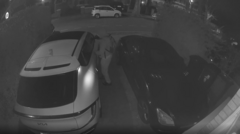
Limited Effectiveness of Stolen Car Trackers
Experts across the automotive and security industries have raised significant concerns about the reliability of vehicle trackers in recovering stolen cars. While manufacturers and security companies market these devices as crucial anti-theft solutions, the reality proves far more complicated. Stolen car trackers often face legal, technical, and practical limitations that substantially reduce their effectiveness in locating and retrieving vehicles once they have been taken.
The growing skepticism surrounding stolen car trackers stems from multiple factors affecting their operational capability. Law enforcement agencies, insurance companies, and independent security analysts have documented numerous instances where tracking technology failed to prevent vehicle theft or assist in recovery efforts. Understanding these limitations is essential for vehicle owners considering investment in tracking systems.
Kia's Position on UK Tracking Regulations
Major automotive manufacturer Kia revealed crucial information regarding the application of stolen car trackers in the United Kingdom market. According to communications with the BBC, Kia explained that existing UK legislation prevents manufacturers from implementing live tracking functions that would allow real-time vehicle monitoring. This legal restriction fundamentally impacts how tracking systems can operate within British territory.
The regulatory framework governing stolen car trackers in the UK creates a significant gap between consumer expectations and actual capabilities. Kia's disclosure highlights how legislation designed to protect individual privacy inadvertently limits the tools available for vehicle recovery. Many car owners remain unaware of these legal constraints when purchasing vehicles equipped with tracking technology.
Legal Constraints on Live Tracking Technology
UK law establishes stringent requirements regarding the continuous surveillance of vehicles through GPS and location-based technologies. These regulations aim to protect privacy rights and prevent unauthorized monitoring, but they simultaneously restrict the implementation of advanced stolen car trackers. Manufacturers must navigate complex legal requirements that often conflict with comprehensive anti-theft solutions.
The restriction on live tracking functionality means that stolen car trackers available in the UK market operate under significant limitations. Vehicle owners cannot always access real-time location data, which severely compromises the practical utility of these systems. This legal environment differs substantially from regulations in other countries where more permissive tracking frameworks exist.
Alternative Approaches to Vehicle Recovery
As stolen car trackers demonstrate limited effectiveness, security experts recommend exploring alternative theft prevention strategies. Rather than relying exclusively on tracking technology, vehicle owners should implement multi-layered security approaches. These may include physical security measures, alarm systems, immobilizers, and behavioral prevention tactics.
Insurance-based solutions and partnership with law enforcement agencies offer additional support for stolen vehicle recovery. Some insurers maintain networks capable of locating vehicles through alternative methods beyond direct GPS tracking. Coordination with police departments and cross-border security networks has proven more effective in certain cases than standalone stolen car trackers.
The Growing Gap Between Marketing and Reality
Manufacturers heavily promote stolen car trackers as premium features, yet the gap between marketing claims and practical results continues expanding. Consumers invest in these systems believing they provide robust protection and recovery assurance, but technical and legal limitations frequently prevent optimal performance. This disconnect creates frustration among vehicle owners and raises questions about transparency in product marketing.
The reality of stolen car trackers reveals that they function best as supplementary security tools rather than primary anti-theft solutions. Their role in comprehensive vehicle protection remains limited compared to other prevention measures. Vehicle owners considering investment in tracking technology should approach manufacturer claims critically and understand the specific limitations applicable in their jurisdiction.
Expert Recommendations for Vehicle Protection
Security professionals emphasize that stolen car trackers should represent only one component of a comprehensive vehicle security strategy. Multi-faceted approaches combining physical security, technological solutions, and behavioral awareness provide superior protection. Experts particularly recommend maintaining thorough vehicle documentation, using visible deterrents, and practicing secure parking habits.
For those considering stolen car trackers despite their limitations, research thoroughly into specific legal compliance and actual tracking capabilities within your region. Understanding that no single technology guarantees protection allows vehicle owners to set realistic expectations. Professional security consultants can provide guidance on optimal combinations of tools and practices tailored to individual circumstances and risk profiles.