
US Launches Targeted Strikes on Iran's Military Facilities After Ship Attack
US Central Command conducts military strikes on Iran's missile storage and radar sites following an attack on a cargo ship in regional waters.
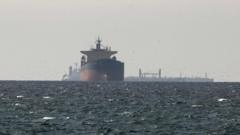
US Military Response to Iranian Regional Aggression
The United States has launched a series of precise military strikes on Iran following a significant attack on a commercial cargo ship operating in regional waters. These US strikes on Iran represent a direct response to escalating tensions and represent a firm stance against ongoing threats to international maritime commerce and American interests in the region.
Strategic Targets and Military Objectives
According to statements issued by US Central Command, the military operation focused on neutralizing key Iranian military infrastructure. The strikes specifically targeted advanced missile storage facilities, unmanned aerial vehicle (drone) warehouses, and critical coastal radar detection systems positioned along Iran's shoreline.
These facilities have been identified as integral components of Iran's asymmetrical warfare capabilities. By targeting these locations, US military leadership aimed to degrade Tehran's capacity to conduct similar attacks on merchant vessels and military assets throughout the Persian Gulf and Arabian Sea regions.
The Cargo Ship Incident
The incident that prompted this military response involved an attack on a commercial cargo ship traversing international shipping lanes. Details surrounding the attack underscore the increasing risks faced by merchant vessels operating in strategically vital maritime corridors. The assault raised alarms among international shipping authorities and prompted swift diplomatic and military responses from Washington.
This attack exemplifies the broader pattern of regional instability affecting critical trade routes. Hundreds of billions of dollars in international commerce transit these waters annually, making maritime security a priority for numerous nations and international organizations.
US Central Command's Strategic Assessment
US Central Command, which oversees American military operations across the Middle East and Central Asia, coordinated the comprehensive strike operation. The command emphasized that all actions were conducted within established rules of engagement and in accordance with international maritime law principles.
Military planners selected targets with precision to minimize civilian casualties while maximizing operational effectiveness against legitimate military installations. The command's leadership stressed the importance of protecting international waters and ensuring safe passage for commercial shipping.
Regional Context and Broader Implications
These US strikes on Iran occur within a complex geopolitical landscape characterized by competing regional interests and longstanding tensions between Washington and Tehran. The military operation signals American resolve to maintain freedom of navigation and protect vital economic interests in one of the world's most strategically important maritime zones.
The response demonstrates the US commitment to deterrence while underscoring the risks of further escalation. Military experts note that such operations require careful calibration to prevent unintended consequences that could further destabilize the region.
International Shipping and Commercial Impact
The attack on the cargo vessel and subsequent military response carry significant implications for global commerce. Shipping companies operating in the region face increased insurance costs, security concerns, and navigation challenges. International maritime authorities have intensified monitoring and coordination efforts to protect commercial traffic.
Several nations with shipping interests in the region have increased naval presence to ensure safe passage and respond to emerging threats. These security measures underscore the critical importance of maritime stability for global economic activity.
Military Hardware and Operational Capability
The targeted facilities contained sophisticated defense systems, including air defense radar networks and drone manufacturing capabilities. These installations represented significant investments in Iran's military modernization efforts and reflected attempts to enhance asymmetrical response options against better-equipped adversaries.
By striking these locations, US military forces aimed to temporarily disrupt Iran's operational capabilities and signal clear consequences for aggressive actions against international shipping and American interests.
Diplomatic Considerations and Future Outlook
The military operation carries diplomatic dimensions beyond its tactical scope. State Department officials coordinated messaging to international partners while emphasizing American commitment to de-escalation if regional tensions diminish. However, officials also warned that additional measures could follow if hostile actions continue.
This careful balance between demonstrating strength and maintaining diplomatic channels reflects broader American strategic objectives in the Middle East, where military power projection coexists with efforts to prevent wider regional conflict.