
US Launches Fresh Strikes on Iran Amid Strait Blockade
The US conducted its third consecutive night of strikes on Iran while Trump announced a 20% charge as part of a new blockade strategy on the strait.
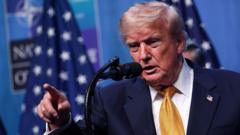
United States Escalates Military Operations Against Iran
The United States intensified its military campaign with fresh strikes on Iran during the third consecutive night of operations, marking a significant escalation in regional tensions. These US strikes on Iran represent a critical moment in ongoing diplomatic and military confrontations in the Middle East, as international observers closely monitor developments that could reshape geopolitical dynamics.
The latest military action occurred amid broader regional instability, with concerns about maritime security and energy infrastructure remaining at the forefront of international discussions. Defense officials confirmed that the operations targeted specific locations identified as strategic threats to regional interests and global commerce.
Trump Administration's Economic Pressure Campaign
President Trump unveiled a comprehensive new blockade strategy that includes a significant 20% charge aimed at restricting Iranian economic access. This economic measure complements the military operations and represents a multifaceted approach combining military pressure with financial sanctions.
The administration framed the blockade as essential to protecting vital shipping lanes and preventing further destabilization of international commerce. The 20% charge specifically targets transactions related to the strait, a critical chokepoint for global energy supplies and maritime trade routes that connects major oil-producing nations to international markets.
Regional Response and Maritime Concerns
Regional powers expressed grave concerns regarding the escalating situation, particularly focusing on attacks affecting commercial tanker traffic. Several nations condemned the brazen actions that threaten innocent vessels navigating international waters and carrying essential commodities for global supply chains.
The security situation affecting tankers has become increasingly volatile, with multiple incidents reported in recent weeks. Commercial shipping companies operating in the region face heightened insurance costs and operational challenges as they navigate through disputed waters and contested zones.
Strategic Implications of the Blockade
The new blockade represents a departure from previous approaches and signals the Trump administration's determination to increase economic pressure on Iran. This strategy encompasses multiple dimensions, from direct naval enforcement to financial restrictions targeting international commerce.
Analysts suggest that the 20% charge could significantly impact Iran's revenue generation and limit its ability to fund regional activities. The blockade also carries implications for global oil markets, as restrictions on Iranian petroleum exports could potentially drive energy prices higher across international markets.
International Community and Maritime Security
Global maritime authorities have increased their presence in the region to ensure safe passage for commercial vessels. The situation has prompted several international organizations to issue travel advisories and shipping alerts, warning about potential hazards in contested waters.
Insurance companies have adjusted their policies to reflect heightened risks, and shipping rates have increased substantially as maritime operators factor in additional security costs and potential incidents. The economic impact extends beyond Iran and the United States, affecting companies and nations worldwide that depend on reliable maritime transport.
Military Operations and Strategic Assessment
Military analysts assess that the consecutive nights of US strikes demonstrate sustained commitment to military pressure alongside economic measures. The coordination between military operations and the announced blockade suggests a synchronized strategy designed to maximize pressure on Iran simultaneously through multiple channels.
Defense strategists indicate that such operations typically target military installations, weapons facilities, or command centers deemed critical to Iran's capabilities. The three consecutive nights of strikes suggest a planned campaign rather than isolated incidents, reflecting deliberate policy implementation by the Trump administration.
Outlook and Future Developments
As tensions remain elevated, international observers anticipate potential responses and further escalation risks. The combination of military strikes and economic blockade may prompt counteractions from Iran or other regional actors, potentially expanding the scope of the conflict.
Diplomatic channels remain open, though communication between the parties appears strained. International mediators continue efforts to de-escalate the situation and restore dialogue between the involved parties, though progress remains limited given the current military posture and economic pressure campaign.