
US Imposes Sanctions on Iran Trading Partners Amid China Criticism
China condemns new US sanctions on Iran and its trading partners. The measures threaten nations doing business with Tehran, particularly China which imports Iranian oil.
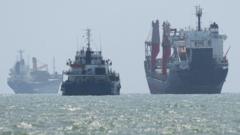
China Denounces New US Sanctions on Iran and International Partners
The United States has implemented additional economic sanctions targeting nations that maintain commercial relationships with Iran, drawing sharp criticism from Beijing. This latest round of US sanctions on Iran trading partners represents an escalation in Washington's efforts to enforce its Iran policy globally, with particular implications for countries like China that depend on Iranian energy resources.
The Scope of New Economic Measures
The recently announced sanctions are designed to penalize any nation or entity continuing significant trade activities with Tehran. The US government has explicitly warned that countries maintaining robust business ties with Iran face potential isolation from American financial systems and trade networks. This comprehensive approach to US sanctions on Iran trading partners signals Washington's determination to maximize pressure on the Iranian regime through economic isolation.
Impact on Energy Markets
Iran's petroleum sector forms the backbone of the nation's export economy, with crude oil representing the country's most valuable commodity. China has emerged as the largest buyer of Iranian crude, importing substantial quantities that sustain the Asian nation's energy security strategy. The new restrictions threaten to disrupt these longstanding commercial arrangements, potentially destabilizing global energy markets and creating significant economic challenges for major importers.
China's Strong Response to the Sanctions
Beijing has issued formal statements characterizing the new measures as illegal under international law. Chinese officials argue that the unilateral imposition of sanctions violates principles of free trade and national sovereignty established by the World Trade Organization and other international frameworks. The Chinese government views these US sanctions on Iran trading partners as an infringement on its right to conduct independent foreign policy and pursue mutually beneficial economic partnerships.
Geopolitical Tensions Mounting
The confrontation between Washington and Beijing over Iran policy reflects deeper strategic rivalries between the two superpowers. China perceives American sanctions as an attempt to maintain hegemonic control over global trade patterns and restrict Beijing's access to critical energy resources. This dispute extends beyond immediate commercial concerns, encompassing fundamental disagreements about international law, sanctions regimes, and the proper role of the United States in global affairs.
Broader Implications for International Trade
The enforcement of US sanctions on Iran trading partners creates a precarious situation for companies and nations caught between American restrictions and Chinese demands for continued business relationships. Financial institutions must navigate complex compliance requirements, while trading partners face difficult choices between maintaining profitable Iran trade or accessing American markets. This dynamic has forced many countries to recalibrate their diplomatic and economic strategies.
Secondary Sanctions and Global Impact
Beyond direct penalties, the sanctions regime includes provisions for secondary sanctions against entities conducting business with those already sanctioned. This cascading effect amplifies pressure on international companies and financial institutions, creating widespread uncertainty throughout supply chains and trade networks. The extraterritorial reach of American sanctions continues expanding, affecting parties far removed from direct US jurisdiction.
Regional and Strategic Considerations
Iran plays a crucial role in Middle Eastern geopolitics, controlling strategic waterways and possessing significant influence across the region. The intensification of US sanctions on Iran trading partners reflects Washington's commitment to containing Iranian regional ambitions and preventing technological advancement. However, such policies simultaneously strengthen Beijing's position as an alternative partner willing to defy American pressure and support Tehran's economy.
Long-term Economic Consequences
The sanctions regime threatens lasting damage to Iran's capacity for economic development and modernization. Restricted access to international financial systems, technology transfer, and investment capital constrains growth prospects and creates humanitarian challenges. Simultaneously, Chinese investments and economic support provide Tehran with lifelines that reduce the effectiveness of American isolation strategies.
Looking Forward: Diplomatic Standoff Continues
The dispute over US sanctions on Iran trading partners appears unlikely to resolve quickly, given the fundamental differences between American and Chinese strategic interests. China's continued defiance signals that Beijing will not subordinate its energy security or economic interests to American foreign policy preferences. As sanctions enforcement intensifies, the international community faces mounting pressure to choose sides in this growing geopolitical competition.
The trajectory of these sanctions, Chinese resistance, and broader US-China relations will shape international trade dynamics for years to come, with Iran remaining a central flashpoint in this larger strategic competition.