
U.S. Helicopter Strikes Panama-Flagged Vessel in Gulf of Oman
U.S. Central Command reports helicopter strike on Panama-flagged cargo ship in Gulf of Oman, targeting engine room to disable Iran blockade violation.
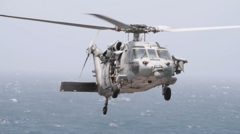
U.S. Military Operation in Strategic Waterway
The United States military conducted a precision operation involving a helicopter strike on a Panama-flagged cargo vessel navigating the Gulf of Oman, according to official statements from U.S. Central Command. This helicopter strike targeted the engine room of the vessel as part of broader efforts to enforce maritime restrictions related to Iran sanctions compliance.
The incident represents a significant escalation in maritime enforcement operations within one of the world's most critical shipping lanes. The gulf serves as a vital corridor for international commerce, with thousands of vessels transiting through its waters annually. The helicopter strike was specifically designed to disable the vessel's propulsion systems rather than cause catastrophic damage, reflecting measured military intervention tactics.
Strategic Context and Regional Implications
The operation underscores continuing tensions surrounding Iran's economic isolation and international sanctions regimes. The Panama-flagged cargo ship was reportedly operating in violation of established blockade measures designed to restrict commerce destined for Iranian ports. This helicopter strike intervention demonstrates the commitment of U.S. military assets to enforce these restrictions across the maritime domain.
The Gulf of Oman remains a contentious area for international shipping interests. The waterway connects the Arabian Sea to the Strait of Hormuz, a chokepoint through which a significant percentage of global petroleum shipments pass daily. Tensions in this region have historically created concerns among international shipping companies and energy markets dependent on unimpeded maritime transit.
U.S. Central Command's Role
U.S. Central Command maintains operational responsibility for military activities across the Middle Eastern region, including maritime enforcement operations. The command coordinates naval forces, aerial assets, and intelligence operations to monitor shipping activity and enforce U.S. policy objectives throughout the area. The helicopter strike represents a direct application of this enforcement authority.
Central Command has previously conducted similar operations aimed at interdicting vessels believed to be circumventing international sanctions. These operations typically involve initial warnings, attempted communication with target vessels, and measured escalation protocols before resorting to force. The decision to proceed with the helicopter strike suggests the vessel failed to comply with directives to cease transit or alter course.
Engine Room Targeting Strategy
The specific targeting of the engine room indicates a deliberate strategy to minimize casualties while achieving operational objectives. Military planners chose this approach to neutralize the vessel's ability to continue its voyage without resorting to weapons systems that could cause wider destruction or endanger crew members unnecessarily. This helicopter strike methodology reflects international law of armed conflict considerations and proportionality principles.
Missile systems deployed from the helicopter provided precision strike capability, allowing operators to impact the engine compartment with minimal collateral damage. The intelligence requirements for such operations demand detailed knowledge of target vessel construction, internal layouts, and operational status. U.S. military assets gathered this information through surveillance and reconnaissance operations preceding the helicopter strike.
International Maritime Law Considerations
The helicopter strike raises complex questions regarding international maritime law and the legal authorities for such operations on the high seas. Proponents argue that enforcing multilateral sanctions requires active intervention capabilities, while critics question the scope of unilateral enforcement actions beyond territorial waters.
The Panama flag registry itself represents an important detail, as many international vessels operate under convenience flags to optimize operational and financial considerations. This Panama-flagged designation does not necessarily indicate the vessel's ownership, operators, or ultimate beneficiaries. U.S. military analysts likely determined these factors before authorizing the helicopter strike.
Broader Strategic Objectives
The helicopter strike operation serves multiple strategic purposes within U.S. foreign policy frameworks. Beyond the immediate objective of disabling one specific cargo vessel, such operations communicate deterrence messages to other shipping interests contemplating sanctions violations. The visible deployment of military capability aims to reshape cost-benefit calculations for entities considering participation in blockade circumvention activities.
Central Command's public acknowledgment of the helicopter strike indicates intentional transparency regarding military actions. Officials typically release information about such operations to establish clear messaging about enforcement commitment and capability. This helicopter strike announcement serves as both operational confirmation and strategic communication directed toward relevant international audiences.