
Ukraine Strikes Russian E-Commerce Warehouses with Precision Drone Attacks
Ukrainian drone strikes target major Wildberries logistics centers near Moscow and Tambov. Learn how Ukraine's military operations impact Russian online retail supply chains and sanctioned components...
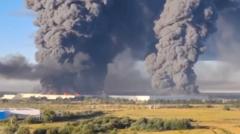
Ukrainian Military Operations Target Major Russian Retail Infrastructure
Ukrainian drone strikes have successfully hit significant logistics hubs operated by Russia's largest online retailer, marking a strategic escalation in military operations focused on disrupting supply chains. The coordinated attacks on Ukrainian drone strikes Russian warehouses represent a calculated effort to weaken Russia's e-commerce distribution network and impede the flow of sanctioned materials across the country.
The strikes specifically targeted Wildberries distribution centers positioned strategically near Moscow and in the Tambov region. These facilities serve as critical nodes in Russia's digital commerce ecosystem, processing millions of orders annually and managing inventory for one of the nation's most profitable online shopping platforms. The precision of these attacks suggests sophisticated intelligence gathering and operational planning by Ukrainian forces.
Strategic Importance of Logistics Facilities in Modern Conflict
Ukraine's leadership has publicly characterized these targeted facilities as major logistics infrastructure crucial to Russia's military-industrial complex. According to Ukrainian officials, these warehouses function not merely as retail distribution centers but as key conduits for channeling sanctioned components into sensitive supply chains. The distinction is significant, as it frames the military operation within the broader context of economic warfare and sanctions enforcement rather than simply attacking civilian infrastructure.
Wildberries, Russia's largest e-commerce platform by volume, has become increasingly intertwined with efforts to circumvent international sanctions. The company's extensive warehouse network provides sophisticated logistics capabilities that can facilitate the distribution of restricted materials. By targeting these facilities, Ukrainian forces aim to degrade Russia's capacity to procure critical components necessary for military applications and technological advancement.
Impact on Russian E-Commerce and Supply Chains
The damage to these regional distribution centers creates immediate operational challenges for Russia's retail sector. Wildberries manages fulfillment for hundreds of thousands of merchants and maintains inventory across multiple categories. Disruption of warehouse operations in key regions like Tambov creates bottlenecks in product distribution, affecting consumer access and merchant profitability simultaneously.
The strikes also generate secondary effects throughout interconnected supply chains. Retailers dependent on Wildberries' logistics infrastructure face delays in restocking inventory. Small and medium-sized enterprises operating through the platform experience inventory management challenges. These ripple effects extend beyond simple commercial inconvenience, as they constrain Russia's overall economic capacity during wartime.
Sanctioned Components and Military Applications
Ukrainian officials have emphasized that these facilities serve dual purposes in Russia's current geopolitical environment. Beyond consumer goods, the logistics infrastructure allegedly supports distribution networks for sanctioned technological components destined for military manufacturing. Western nations have implemented comprehensive sanctions targeting semiconductors, microelectronics, and advanced manufacturing equipment—precisely the categories that would flow through sophisticated logistics hubs like Wildberries' warehouses.
The characterization of these strikes as targeting sanctioned component distribution reflects Ukraine's strategy to directly attack the mechanisms through which Russia attempts to sustain its military capability. By degrading logistics capacity, Ukrainian forces aim to increase friction in Russia's efforts to acquire restricted materials through alternative channels, smuggling networks, and corporate intermediaries.
Military Strategy and Economic Warfare
These operations exemplify the modern convergence of military action and economic warfare. Rather than focusing exclusively on traditional military targets, Ukrainian forces have expanded operations to encompass the civilian infrastructure supporting Russia's war effort. This approach acknowledges the critical reality that modern militaries depend on functioning economies and supply chains for sustained operations.
The selection of warehouses near Moscow and in Tambov demonstrates strategic geographical targeting. Moscow remains Russia's economic center and primary logistics hub, while Tambov provides regional distribution capacity serving central and eastern Russian markets. Disabling both locations simultaneously creates maximum disruption to national distribution networks.
Broader Context of Cross-Border Military Operations
Ukrainian drone strikes on Russian territory have escalated significantly throughout the conflict. Initially concentrated on military installations and fuel depots, the scope has expanded to encompass economic infrastructure deemed critical to Russia's war-making capacity. This evolution reflects Ukraine's assessment that inflicting economic damage represents a viable complement to traditional military operations.
The strikes occur within a framework of escalating reciprocal drone attacks between both nations. Russia has launched extensive drone campaigns against Ukrainian cities and infrastructure, while Ukraine has responded with precision strikes targeting high-value assets within Russian territory. These operations have become normalized features of the conflict, with each side seeking asymmetrical advantages through technological sophistication and logistical targeting.
Conclusion
The Ukrainian drone strikes against Wildberries logistics facilities represent a significant tactical operation with broader strategic implications. By targeting major e-commerce infrastructure, Ukrainian forces advance multiple objectives simultaneously: degrading Russia's commercial supply chains, disrupting sanctioned component distribution networks, and demonstrating the vulnerability of Russian economic assets to military attack. These operations will likely continue as a component of Ukraine's comprehensive strategy to weaken Russia's capacity for sustained military operations and economic functionality.