
Ukraine Escalates Attacks on Russian Naval Vessels Near Crimea
Ukraine intensifies strikes against Russian ships near Crimea, targeting fuel supplies and blockading routes in a strategic escalation of naval warfare operations.
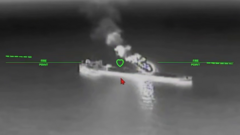
Ukraine Intensifies Naval Offensive Against Russian Forces
Ukraine attacks Russian ships near Crimea represent a significant escalation in the nation's military strategy to disrupt enemy logistics and supply chains. The recent strikes underscore Kiev's determination to maintain pressure on Russian naval assets operating in contested waters, while simultaneously weakening the occupying force's ability to sustain operations in the disputed peninsula.
Strategic Objectives Behind the Offensive
The ongoing campaign targeting Russia's maritime infrastructure serves multiple tactical purposes. By focusing on ships and fuel distribution networks, Ukrainian forces aim to sever critical supply lines that sustain military operations throughout occupied territories. This approach reflects a broader strategy to make the continued occupation increasingly costly and logistically unsustainable for Moscow.
Ukraine attacks Russian ships as part of a comprehensive blockade effort designed to isolate Crimea from essential resources and reinforcements. The peninsula's geographic vulnerability as an island-connected territory makes it particularly susceptible to naval-based interdiction tactics. Successful strikes on transport vessels and supply ships directly impact the capacity of Russian forces to maintain combat effectiveness.
Impact on Fuel Supply Networks
Fuel represents one of the most critical resources for any military operation. By targeting petroleum distribution systems and tanker vessels, Ukrainian forces create cascading effects throughout Russian supply chains. Without adequate fuel reserves, vehicles cannot operate, generators cannot function, and heating systems become inoperable—particularly significant during winter months when energy demands peak.
The disruption of fuel supplies extends beyond immediate military applications. Civilian infrastructure in occupied areas depends on energy resources, creating humanitarian complications that further strain Russian occupation authorities' credibility and operational capacity. This multi-layered impact demonstrates the effectiveness of focusing on logistical vulnerabilities rather than direct military confrontation alone.
Escalation of Naval Warfare Near Crimea
Recent months have witnessed an intensification in the frequency and sophistication of Ukrainian naval operations. The attacks indicate growing capability to project power across contested waters despite Russia's initial naval superiority. Ukrainian forces have successfully adapted to operating in a challenging maritime environment, developing tactics that overcome technological disadvantages through ingenuity and tactical planning.
The escalation reflects confidence in Ukraine's expanding military capacity and determination to contest Russian control of the Black Sea region. Each successful strike bolsters domestic morale while demonstrating to international observers that Ukrainian forces maintain operational initiative despite facing a numerically superior adversary in certain domains.
Broader Strategic Context
The campaign against Russian naval assets must be understood within the larger framework of Ukraine's resistance strategy. Rather than attempting conventional territorial reconquest, Ukrainian military planners have identified supply chain disruption as a viable path to weakening occupation forces without committing to costly frontal assaults. This approach leverages Ukrainian knowledge of local geography and demonstrated adaptability in asymmetric warfare.
Routes into and out of occupied Crimea remain vital to Russia's ability to sustain military presence and civilian control mechanisms. By systematically targeting vessels transiting these routes, Ukrainian forces effectively implement a blockade that mirrors historical naval warfare strategies adapted for contemporary conflict. The psychological impact of this strategy—demonstrating that Russian forces cannot guarantee safe passage—compounds its practical military effects.
Implications for Future Operations
The pattern of escalating attacks suggests Ukraine's commitment to maintaining pressure on Russian positions throughout the duration of the conflict. Military analysts anticipate continued focus on supply disruption as a centerpiece of Ukrainian strategy. Success in this domain could ultimately prove more decisive than dramatic territorial gains, as occupying forces gradually lose the logistical capacity to sustain operations.
As Ukraine attacks Russian ships with increasing frequency and effectiveness, the strategic balance in the Black Sea continues to shift. The long-term consequences of supply chain degradation may fundamentally alter the feasibility of Russian occupation, making the current naval operations far more significant than daily headlines might suggest.