
UK Heatwave Persists: No Rain Expected for Seven Days Ahead
The UK heatwave continues with no significant rainfall forecast for at least a week. Experts warn of persistent dry conditions as heat dominates summer weather patterns.
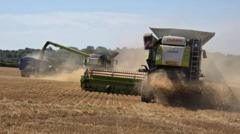
Extended Heatwave Dominates UK Summer Season
The UK heatwave remains the defining meteorological feature of the summer, with weather forecasters predicting an extended period of dry conditions that will stretch at least seven days into the future. This sustained heat pattern has captured public attention and reshaped daily routines across the nation, as residents contend with temperatures significantly above seasonal norms and minimal precipitation prospects.
The absence of meaningful rainfall compounds the intensity of the ongoing UK heatwave, creating a dual weather challenge that affects everything from water management to agricultural operations. Throughout July and August, the combination of elevated temperatures and scarce moisture has dominated weather discussions, overshadowing typical summer variability that residents might ordinarily experience.
Understanding the Dry Weather Conditions
Beyond the headline-grabbing heat figures, the persistent lack of precipitation represents a critical component of current meteorological conditions. Weather analysts have emphasized that this desiccating pattern shows no signs of relenting within the forecast period, with computer models consistently indicating stable atmospheric conditions that favor continued warm, settled weather.
The drought-like conditions developing across various regions demand careful water resource management. Coupled with intense solar radiation and elevated daytime temperatures, the absence of rain creates stress on vegetation, water supplies, and outdoor infrastructure that typically relies on regular moisture input.
Heat's Dominance Throughout Summer Months
Since the season began, heat has emerged as the paramount weather story, overshadowing other climatic events that might otherwise command attention. Meteorologists note that this heat dominance reflects broader atmospheric patterns that have locked the UK into a high-pressure system, which simultaneously suppresses cloud development and moisture delivery.
The extended forecast timeline reveals no substantial shift in this pattern through the coming week. Barometric pressure readings suggest that the high-pressure system maintaining current conditions remains firmly entrenched, preventing the development of weather systems that would introduce rainfall and cooler air masses.
Impact of Prolonged Heatwave Conditions
The convergence of sustained heat and minimal rainfall creates multifaceted consequences across society. Public health officials have issued guidance regarding heat-related illness prevention, while water authorities monitor reservoir levels and consumption patterns. Agricultural sectors face challenges regarding crop irrigation and livestock welfare, necessitating adaptive management strategies.
Business operations have adapted to the heat, with some sectors experiencing seasonal shifts in customer behavior and activity patterns. The social fabric adjusts accordingly, as communities discover new ways to manage outdoor activities and essential services amid elevated temperatures.
Extended Outlook and Weather Expectations
Looking beyond the immediate seven-day period, meteorological uncertainty increases, though current analogs and atmospheric signals suggest the fundamental pattern may persist somewhat longer. The UK heatwave has established robust characteristics that resist rapid dissipation, meaning residents should prepare for continued warm conditions beyond the initial forecast window.
Weather monitoring services continue analyzing upper-atmosphere conditions, jet stream positioning, and ocean temperatures to refine predictions. These data sources collectively indicate that relief from both heat and dryness remains distant, though specific precipitation timing becomes increasingly uncertain beyond the seven-day professional forecast horizon.
Preparedness and Public Guidance
Authorities recommend maintaining hydration levels, protecting vulnerable populations, and conserving water during this extended dry spell. The combination of heat and dryness creates elevated wildfire risk in susceptible areas, prompting emergency services to maintain heightened readiness throughout the forecast period and beyond.