
UK Fuel Theft Soars: £200K Daily Loss Since Iran Tensions Escalate
Fuel theft in the UK has surged by 20% in five months, with almost £200,000 stolen daily from forecourts since Iran conflict tensions began. Industry analysis reveals sharp increase.
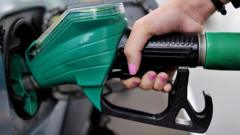
Fuel Theft Crisis Escalates Across British Petrol Stations
The United Kingdom is experiencing an unprecedented surge in fuel theft from forecourts, with nearly £200,000 worth of petrol and diesel disappearing without payment each day since geopolitical tensions with Iran intensified. This alarming trend represents a significant challenge for the fuel retail industry and reflects broader economic pressures facing British consumers and businesses alike.
Dramatic Rise in Forecourt Incidents Over Five Months
According to comprehensive industry analysis, incidents of fuel being taken without compensation have climbed by approximately one-fifth during a five-month period. This substantial increase in fuel theft underscores growing concerns within the petroleum retail sector regarding unsecured transactions and customer conduct at service stations nationwide.
Scale of the Problem
When calculated daily, the cumulative losses from fuel theft represent a staggering economic burden on forecourt operators and fuel suppliers. The £200,000 daily figure, while extraordinary, reflects the volume and frequency of unauthorized fuel removal incidents occurring across hundreds of petrol stations throughout the country. Industry professionals view this escalation as both a security challenge and a symptom of deeper economic anxieties affecting the general population.
Understanding the Connection to International Events
The timing of this fuel theft increase correlates with heightened tensions between Western nations and Iran, which have contributed to volatile fuel prices and broader economic uncertainty. These geopolitical developments have created an environment where consumers face elevated costs at the pump, potentially motivating some individuals to resort to theft as a coping mechanism for financial hardship.
Market Volatility and Consumer Behavior
Rising fuel costs have historically triggered increases in forecourt crime, as consumers struggle with transportation expenses. The convergence of international conflict, supply chain disruptions, and inflationary pressures has created perfect conditions for a surge in unauthorized fuel removal. Forecourt operators report that the problem spans across all demographic segments and geographic regions.
Impact on the Fuel Retail Industry
The astronomical losses from fuel theft place substantial strain on fuel retailers operating on typically narrow profit margins. Beyond direct financial losses, forecourt operators must implement enhanced security measures, install monitoring systems, and train staff to identify and prevent theft incidents. These additional operational costs are ultimately passed to legitimate customers through higher prices.
Security Measures and Challenges
Many petrol stations have responded to the fuel theft epidemic by implementing advanced security technologies, including surveillance cameras, automated payment systems, and fuel pump locking mechanisms. However, determined individuals continue to circumvent these safeguards, highlighting the ongoing nature of this criminal activity. The arms race between security improvements and increasingly sophisticated theft methods shows no signs of abating.
Broader Implications for UK Retail Crime
The fuel theft crisis represents merely one dimension of a larger retail crime problem affecting British businesses. Organized gangs targeting fuel stations have reportedly expanded their operations, coordinating activities across multiple locations to maximize stolen volumes. Law enforcement agencies face mounting pressure to address these organized theft networks while managing limited resources.
Economic and Social Factors
Experts attribute the surge in fuel theft partly to cost-of-living pressures, unemployment concerns, and reduced household disposable income. The psychological impact of economic uncertainty drives some individuals to commit theft, viewing it as a necessary survival mechanism rather than criminal behavior. Social support systems and economic stimulus measures could potentially address root causes rather than symptoms.
Industry Response and Future Outlook
Fuel retailers, petroleum suppliers, and industry associations have begun collaborative efforts to combat fuel theft through enhanced reporting mechanisms, shared intelligence, and coordinated security initiatives. The fuel theft situation demands comprehensive solutions addressing both technological security improvements and underlying socioeconomic factors contributing to the criminal activity.
Moving forward, stakeholders recognize that combating fuel theft requires multi-faceted approaches combining improved surveillance, stronger enforcement action, community engagement, and economic policies addressing consumer financial hardship. Without intervention, fuel theft UK incidents will likely continue escalating, creating additional burdens on legitimate consumers and fuel retail operators throughout the nation.