
UK Bans Disposable BBQs Amid Wildfire Crisis
The UK government has implemented a temporary ban on disposable BBQs to prevent wildfires during extreme heat and drought conditions. Learn about this critical safety measure.
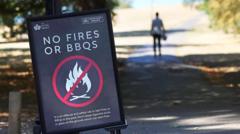
UK Implements Temporary Ban on Disposable BBQs to Combat Wildfire Threat
A significant shift in outdoor entertaining regulations has emerged as the UK government enforces a temporary ban on disposable BBQs in response to escalating wildfire dangers. The disposable bbq ban represents a critical intervention aimed at protecting communities during periods of extreme weather vulnerability, particularly when drought conditions and record temperatures create ideal circumstances for uncontrolled fires to spread rapidly.
Government officials have emphasized that single-use grills present a considerable hazard to public safety under current environmental circumstances. The timing of this measure coincides with elevated fire risk assessments across multiple regions, prompting authorities to take preventative action before catastrophic incidents occur.
Understanding the Wildfire Prevention Strategy
The temporary grill restriction addresses a frequently overlooked source of ignition in outdoor settings. Disposable barbecues, while seemingly innocuous for casual gatherings, release intense heat that can persist for extended periods after cooking concludes. When discarded in natural areas or during high-temperature episodes, these devices become potential ignition sources that could trigger major fires.
Single-use barbecue regulations have become necessary as climate patterns intensify drought cycles and heat waves. The government's decision reflects growing concern about human-caused fires that could devastate landscapes, endanger lives, and overwhelm emergency response capabilities.
The Risk Context During Extreme Weather
Heatwave safety measures increasingly focus on behavioral modifications that reduce preventable fire incidents. Current meteorological conditions—characterized by prolonged dry periods and unusually elevated temperatures—create vulnerability in natural environments where traditional fire management practices struggle to contain rapidly spreading flames.
Experts note that single-use grills pose particular challenges because consumers frequently underestimate how long these devices remain dangerously hot. Even after visible flames disappear, the charcoal or fuel source continues radiating sufficient heat to ignite combustible materials in proximity, including dry grass, leaves, and vegetation.
Implementing and Enforcing the Restrictions
The disposable bbq ban applies broadly across affected regions, with government enforcement coordinating with local authorities responsible for fire safety. Retailers have been instructed to remove single-use barbecue products from shelves during the restriction period, effectively preventing casual purchases that might otherwise enable risky behavior.
Public awareness campaigns accompany the temporary grill restriction to ensure citizens understand the reasoning behind this intervention. Rather than presenting the measure punitively, communications emphasize communal responsibility and the shared stakes in preventing wildfire emergencies that could affect entire communities.
Alternatives for Outdoor Cooking
The implementation does not eliminate outdoor cooking entirely. Consumers seeking alternatives to disposable barbecues can utilize permanent grilling installations at designated facilities, electric barbecues designed for controlled environments, or defer outdoor cooking until conditions improve. Reusable barbecues, when properly maintained and safely operated, present significantly lower wildfire risks compared to single-use models.
Many municipalities have established controlled cooking zones where residents may safely prepare grilled foods under supervision, providing a compromise that maintains recreational opportunities while prioritizing public safety during elevated fire danger periods.
Long-Term Implications and Future Policy
The disposable bbq ban may establish precedent for future wildfire prevention strategies. As climate change continues producing more frequent and intense heat waves, temporary restrictions could become regular seasonal measures in affected regions. This approach represents adaptive governance responding to environmental realities.
Environmental advocates support heatwave safety measures that discourage single-use products generally, viewing the wildfire prevention initiative as part of broader sustainability objectives. The restrictions align with efforts to reduce disposable consumer products and encourage more durable, reusable alternatives.
Community Response and Adaptation
Public reception to the temporary grill restriction has been mixed but generally understanding. Many residents recognize that preventing catastrophic wildfires justifies temporary inconveniences during peak danger seasons. Community organizations have coordinated alternative outdoor activities and event planning to accommodate the prohibition.
The single-use barbecue regulations demonstrate how governments can implement rapid responses to environmental emergencies through targeted consumer product restrictions. As weather patterns intensify, similar protective measures may become increasingly common across multiple contexts and jurisdictions.