
UK Airlines Face Ban on Charging Parents for Child Seating
UK government plans to ban airlines from charging parents to sit with children under 14. New rule aims to eliminate hidden fees and 'little charges that add up'.
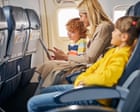
Airlines Prohibited from Charging for Family Seating
The UK government has unveiled ambitious new regulations that will fundamentally reshape how airlines charge passengers for basic services. Under these forthcoming rules, UK airlines will face strict prohibitions against charging parents additional fees to secure seats adjacent to their children. This significant policy shift represents a major consumer protection victory, directly targeting what many families consider unfair pricing practices in the aviation industry.
The initiative to ban airlines from charging parents for child seating stems from broader government efforts to eliminate what officials describe as 'little charges that add up.' These regulations form a core component of Andy Burnham's comprehensive strategy to protect consumers from hidden and unexpected fees that significantly increase travel expenses.
Key Provisions of the New Regulations
The proposed rule framework establishes clear requirements for airline operators throughout the United Kingdom. Specifically, airlines operating within British airspace must guarantee that passengers aged under 14 years receive complimentary seating arrangements next to their parents or designated accompanying adults. This requirement removes the discretionary pricing element that has previously allowed carriers to treat family seating as a premium service worthy of surcharges.
Beyond the family seating provision, the regulatory package addresses another source of consumer frustration. Passengers will no longer face charges when correcting minor errors on their flight bookings, such as name amendments or minor spelling mistakes. This represents a fundamental shift in how airlines manage booking modifications, eliminating what many travelers experience as punishment fees for administrative corrections.
Impact on Consumer Travel Expenses
The ban on airlines charging parents for child seating addresses a persistent frustration within the traveling public. Families have long complained about the cumulative financial burden created by seemingly minor charges. When parents must purchase premium seat selections simply to remain adjacent to their children, the financial impact extends beyond individual bookings, particularly for families traveling frequently or booking multiple passengers across several flights.
These charges have become increasingly normalized within the aviation industry, with carriers treating family seating as a revenue optimization opportunity rather than a basic customer service expectation. The government's decision to legislate against this practice signals a fundamental reorientation of priorities toward passenger welfare rather than airline profit maximization.
Broader Consumer Protection Strategy
This regulatory initiative forms part of a larger governmental commitment to scrutinize airline pricing practices comprehensively. The focus on eliminating 'little charges that add up' acknowledges how individual fees, when combined, create substantial unexpected costs that disproportionately affect families and budget-conscious travelers. Airlines have faced criticism for using ancillary fees as profit centers, with charges for seat selection, baggage handling, and booking modifications generating significant revenue streams.
The government's approach targets transparency and fairness within the aviation sector. By establishing clear rules about what constitutes essential services—such as family seating and name correction—regulators create a framework where airlines cannot exploit technical flexibility in their terms and conditions to extract additional payments from customers.
Implementation and Industry Response
The timeline for implementing these new airline regulations remains subject to formal legislative procedures. However, the government's clear commitment signals that UK carriers should prepare for substantial operational changes. Airlines operating routes to and from British airports will need to modify their revenue management systems, seating assignment algorithms, and booking platforms to comply with these requirements.
The prohibition against charging parents for child seating represents a meaningful regulatory intervention in a sector often criticized for penny-pinching customer practices. As the aviation industry continues recovering post-pandemic, these rules establish new baseline expectations for how carriers treat families and address legitimate consumer concerns about hidden costs.