
Trump to Reduce US-South Korea Military Drills Following Iran Conflict Stance
Trump announces scaling back military exercises with South Korea, citing strong ties with North Korea's leader as reason for downsizing joint drills.
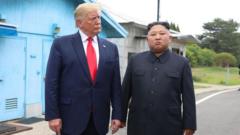
Trump Announces Reduction in US-South Korea Military Drills
The United States will significantly scale back its military drills with South Korea, a decision that reflects ongoing diplomatic efforts in the Korean Peninsula. This announcement regarding US South Korea military drills comes as the administration reassesses its defense posture in the region following recent geopolitical tensions involving Iran.
The decision to downsize these exercises represents a strategic shift in how Washington and Seoul coordinate their joint defense operations. Officials indicated that the reduction aligns with broader efforts to maintain stability on the peninsula while preserving critical security partnerships in East Asia.
Rationale Behind the Military Downsizing
Administration officials have attributed the scaling back of joint exercises to the strong relationship maintained with North Korea's leadership. This approach demonstrates a preference for diplomatic channels and reduced military posturing as a means of encouraging dialogue between all parties involved in the region.
The emphasis on maintaining constructive relations reflects an ongoing commitment to finding peaceful solutions to longstanding tensions. By reducing the scale of these operations, both nations aim to create an environment more conducive to negotiations and mutual understanding, particularly in light of recent developments involving other regional actors.
Strategic Implications for Regional Security
The reduction in US South Korea military drills carries significant implications for the broader security architecture in Northeast Asia. These exercises, historically viewed as essential components of the US-South Korea alliance, have served multiple purposes including readiness assessment, interoperability testing, and force modernization evaluation.
Smaller and less frequent operations will allow both militaries to maintain baseline readiness while reducing tensions that such large-scale activities can generate. This balanced approach seeks to preserve deterrence capabilities while simultaneously de-escalating rhetoric and military posturing that could provoke regional actors.
Bilateral Defense Relations Continue
Despite the reduction in joint exercises, the fundamental commitment between Washington and Seoul to their mutual defense remains unchanged. Military cooperation will continue through alternative frameworks and smaller-scale operations designed to maintain critical interoperability and readiness standards.
South Korean officials have indicated their understanding of the decision, acknowledging that security cooperation extends beyond the scale of formal exercises. Intelligence sharing, weapons system coordination, and strategic consultations will remain active components of the alliance relationship.
Context of Recent Regional Developments
The announcement follows South Korea's decision to remain neutral regarding military involvement in conflicts beyond the peninsula. This stance reflects Seoul's independent assessment of its strategic interests and its focus on maintaining stable relations with all regional powers.
The timing of the military drills reduction appears connected to broader diplomatic efforts aimed at preventing escalation in the region. By adjusting defense postures through scaled-back exercises, both nations signal their preference for measured approaches to security challenges while maintaining the capability to respond to genuine threats.
Future of Military Cooperation
Looking ahead, the US and South Korea will likely implement a recalibrated defense cooperation model that emphasizes quality over quantity in joint operations. This evolution could include more targeted, specialized training exercises focused on specific threat scenarios and interoperability requirements.
Military planners are exploring innovative approaches to maintain readiness without the logistical and political costs associated with large-scale exercises. Advanced simulation technologies, joint command post exercises, and distributed training models may become increasingly prominent in the bilateral defense relationship.
International Response and Analysis
Regional observers have noted that the decision reflects broader trends toward diplomatic engagement in East Asia. Multiple analysts suggest that reducing military drill frequency could contribute to a less confrontational security environment, provided all parties maintain their commitment to existing defense treaties and agreements.
The announcement demonstrates how military policy decisions are increasingly interconnected with diplomatic objectives. As nations navigate complex regional dynamics, adjusting the scale and frequency of military exercises has emerged as one tool among many for managing strategic relationships and promoting stability without compromising core security interests or alliance commitments.