
Trump Says He'd 'Love' to See United Ireland Soon
US President Donald Trump expresses support for Irish unification during Ireland visit, stating it 'may as well happen now' and endorsing constitutional change.
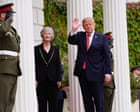
Trump's Unexpected Stance on Irish Unification
During a significant state visit to the Republic of Ireland, US President Donald Trump made striking remarks regarding Trump united Ireland, stating he would enthusiastically support the prospect of Irish reunification. The president's comments, delivered at the beginning of a two-day diplomatic engagement, suggested that if such unification were inevitable, it might as well occur in the present moment rather than at some indefinite future date.
The remarks represented an extraordinary intervention into Irish political affairs by an American sitting president. Trump's apparent endorsement of the push for constitutional change on the island caught many observers by surprise, given the typically cautious approach most US administrations take toward sensitive matters affecting both the Republic and Northern Ireland.
Details of Trump's Remarks
Speaking during public appearances on Saturday, the US President indicated his personal preference for witnessing Irish reunification transpire. His phrasing suggested pragmatism regarding the eventual outcome, implying that such a development appeared inevitable to his assessment. Rather than opposing or remaining neutral on the matter, Trump articulated enthusiasm for the concept, describing it as something he would actively welcome.
The comments were made in the context of discussions about the future political structure of the island of Ireland. Trump's intervention appeared to reflect a broader perspective on self-determination and geopolitical shifts, though his exact reasoning for the intervention remained somewhat ambiguous to international observers and political analysts.
International Reaction and Political Fallout
The statement prompted immediate and forceful responses from British government officials and Northern Ireland's unionist political leadership. The UK government swiftly issued a rebuttal, reaffirming its constitutional position regarding Northern Ireland's status within the United Kingdom. This represented a notable diplomatic tension emerging during what was otherwise intended as a routine state visit between allied nations.
Northern Ireland's unionist representatives likewise responded with criticism and concern. Unionists, who oppose Irish reunification and wish to maintain Northern Ireland's position within the UK, viewed Trump's remarks as problematic interference in internal affairs. The swift political response underscored the sensitivity surrounding this issue within Northern Ireland's political landscape.
Broader Context of the Visit
Trump's visit to Ireland was scheduled as a two-day engagement focused on strengthening US-Irish relations. However, the unscripted remarks regarding Irish unification significantly overshadowed the planned diplomatic agenda. The unexpected nature of his intervention raised questions about whether such comments represented considered policy positions or spontaneous remarks.
The timing of these statements during what should have been a straightforward state visit highlighted the unpredictability sometimes associated with Trump's diplomatic approach. Rather than adhering strictly to prepared remarks and traditional diplomatic protocols, the president had injected himself directly into a longstanding and contentious political debate affecting both Ireland and the United Kingdom.
Analysis and Implications
Political analysts noted that Trump's comments represented an unusual foray into Irish constitutional matters by an American president. The traditional US position has emphasized respect for the legal frameworks governing both the Republic of Ireland and Northern Ireland, without openly advocating for either unification or partition.
The intervention raised broader questions about the appropriate role of external powers in commenting on internal political processes. While Trump may have intended his remarks as friendly support for Irish self-determination, the effect was to create diplomatic complications and domestic political reactions across the island and in London.
The incident demonstrated how executive commentary during international visits can generate significant political reverberations, particularly when addressing historically contentious territorial and constitutional matters. Trump's willingness to express personal preferences on such sensitive issues contrasted sharply with the diplomatic caution typically exercised by other international leaders on comparable matters.