
Trump Eyes AI Regulations After OpenAI Security Breaches
Trump administration signals shift toward AI controls following OpenAI hacking incidents. Explore the policy change and implications for artificial intelligence regulation.
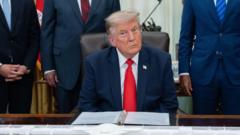
Trump Administration Shifts Stance on Artificial Intelligence Oversight
The Trump administration has indicated a potential change in direction regarding AI regulations, signaling that government intervention in artificial intelligence development may become more active. This represents a notable departure from the administration's previously established track record of minimal regulatory involvement in the technology sector.
Background of the Policy Shift
Recent security incidents involving OpenAI have prompted renewed discussions about the need for enhanced safeguards in the artificial intelligence industry. The AI regulations under consideration would establish a framework for monitoring and controlling how companies develop and deploy advanced AI systems. This policy shift reflects growing concerns about cybersecurity vulnerabilities within major technology firms.
OpenAI Security Incidents Trigger Government Response
The hacking incidents affecting OpenAI have served as a catalyst for the administration's reconsideration of its regulatory approach. These breaches have exposed potential weaknesses in how leading artificial intelligence companies protect sensitive data and maintain system integrity. Officials within the administration have begun evaluating what protective measures might be necessary to prevent future security compromises.
Departure from Hands-Off Approach
Previously, the Trump administration maintained a philosophy of minimal government interference in technological innovation and corporate operations. However, the recent incidents have prompted a reevaluation of this stance. Decision-makers now recognize that certain sectors, particularly those involving artificial intelligence controls, may require targeted oversight to protect national interests and ensure public safety.
Regulatory Framework Under Discussion
Potential measures being considered include security standards that technology companies must meet, reporting requirements for security incidents, and guidelines for responsible AI development. These AI regulations would apply specifically to organizations engaged in cutting-edge artificial intelligence research and deployment.
Industry Implications
Companies operating in the artificial intelligence space are closely monitoring these developments. The proposed technology policy changes could significantly impact how organizations allocate resources toward cybersecurity and compliance infrastructure. Major players like OpenAI may need to implement additional security protocols to align with forthcoming federal requirements.
Technology Sector Response
The technology industry has historically advocated for regulatory flexibility, arguing that excessive oversight could stifle innovation. However, the severity of recent security breaches has somewhat altered this conversation, with some industry leaders acknowledging that basic security standards could benefit the entire ecosystem.
National Security Considerations
Beyond immediate cybersecurity concerns, the administration's interest in artificial intelligence controls also reflects broader national security considerations. Advanced AI systems have potential applications in defense, intelligence, and critical infrastructure, making their secure development a matter of strategic importance. The government recognizes that allowing security gaps to persist in this sector poses risks to national interests.
Competitive Advantage in AI Development
The move toward AI regulations may also be motivated by competitive dynamics with other nations. Countries worldwide are investing heavily in artificial intelligence capabilities, and the United States seeks to maintain technological leadership while ensuring that development occurs within secure, controlled environments.
Path Forward for Administration
The administration is expected to convene stakeholders from the technology sector, cybersecurity experts, and policy advisors to develop comprehensive frameworks for governing artificial intelligence. These discussions will likely focus on balancing innovation with security, ensuring that artificial intelligence controls do not unnecessarily hinder technological progress while still protecting against emerging threats.
Timeline for Implementation
While no definitive timeline has been announced, officials suggest that preliminary guidance on AI regulations could be forthcoming within the coming months. The administration aims to establish clear expectations for the industry before more serious security incidents occur.
Broader Context of Regulatory Evolution
This potential policy shift represents part of a larger global trend toward increased oversight of emerging technologies. Governments across the world are grappling with how to regulate artificial intelligence without compromising its beneficial applications. The Trump administration's reconsideration positions the United States within this international conversation while addressing specific domestic security concerns.