
Trump Abandons Hormone Strait Tariff Plan Amid US Naval Blockade
Trump reverses 24-hour-old proposal for 20% cargo fees on Strait of Hormuz as United States intensifies naval operations against Iran port access.
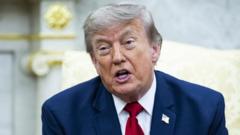
Trump Reverses Course on Strait of Hormuz Tariff Plan
The Trump administration has abruptly abandoned a controversial proposal involving the Strait of Hormuz tariff that was announced just 24 hours prior, marking a significant policy reversal in its approach to Iran sanctions. The decision to drop the planned 20% fee on cargo vessels transiting through the strategically vital waterway comes as the United States maintains its intensified naval blockade against Iranian port operations.
The Strait of Hormuz tariff scheme was intended to generate revenue while simultaneously pressuring Tehran, but the administration appears to have reconsidered the economic implications and potential international backlash. This reversal demonstrates the administration's willingness to adapt its strategy while continuing to pursue its broader objective of constraining Iran's maritime commerce and regional influence.
US Naval Operations Target Iranian Port Infrastructure
The United States has escalated its military presence in the Persian Gulf, deploying additional naval assets to enforce what amounts to a comprehensive blockade of Iranian maritime operations. These actions represent a continuation of Washington's maximum pressure campaign, utilizing naval superiority to restrict Tehran's ability to conduct international trade through its primary shipping routes.
Military analysts suggest the blockade targeting Iran ports demonstrates a shift toward direct enforcement mechanisms rather than tariff-based revenue collection. The presence of US Navy vessels throughout the region has effectively curtailed normal shipping operations, with several commercial vessels reportedly avoiding routes that would require transit near American naval formations.
Strategic Implications for Global Maritime Trade
The decision to maintain the Strait of Hormuz blockade while abandoning the tariff proposal reflects the administration's prioritization of containment over revenue generation. Approximately 21% of global petroleum shipments pass through this critical chokepoint, making any disruption a matter of significant international concern. Energy markets have reacted cautiously to these developments, with oil prices showing modest volatility in response to the uncertain situation.
International shipping organizations have expressed concern about the unpredictability of US policy regarding transit routes. The reversal of the tariff scheme, while potentially positive for commerce, still occurs within the context of broader restrictions on Iranian trade, creating a complex environment for maritime operators making routing decisions.
Iran's Response to Continued Pressure
Iranian officials have characterized the ongoing Strait of Hormuz blockade as an act of economic warfare, vowing to defend their maritime interests. Tehran has suggested it possesses countermeasures to any attempt to restrict its access to international waters, though specific capabilities remain undisclosed. The standoff between Washington and Tehran continues to define regional security dynamics, with no immediate resolution apparent.
The abandonment of the tariff proposal may be interpreted as a minor diplomatic concession, yet the underlying containment strategy remains unchanged. US officials continue to justify the Strait of Hormuz operations as necessary measures to prevent Iranian weapons proliferation and support for regional militant organizations.
Market Reactions and Economic Considerations
Financial markets initially responded positively to news of the tariff proposal's cancellation, viewing it as reducing direct costs for international shipping. However, the continuation of the actual blockade maintains pressure on shipping insurance rates and navigational caution among commercial operators. Petroleum prices reflect the balance between relief at avoiding tariffs and concern about sustained supply disruptions.
Analysts note that while the Strait of Hormuz tariff would have generated significant revenue for the US Treasury, the administration evidently concluded that the diplomatic and economic costs outweighed potential benefits. This calculation suggests internal disagreements within the administration regarding optimal Iran policy strategy.
Looking Forward: Policy Uncertainty Continues
The sudden reversal regarding the Strait of Hormuz tariff raises questions about the long-term consistency of US Iran policy. Market participants and foreign governments alike struggle to predict future policy shifts, creating an environment of heightened uncertainty. The maintenance of the naval blockade indicates that the fundamental objective—constraining Iranian maritime commerce—remains central to administration strategy, even as specific tactics undergo revision.
As this situation develops, international observers continue monitoring for additional policy announcements that might clarify the administration's ultimate objectives regarding Iran sanctions and Strait of Hormuz operations. The unpredictability has already influenced global shipping patterns and insurance markets, with effects likely to persist until clearer policy direction emerges.